Anyone is welcome to take any Lay Servant Ministries course. If you are interested in a course listed below and do not see it offered in our Upcoming Courses, reach out to your district director of Lay Servant Ministries and let them know. It helps us when we know which classes our laity most want to take!
Which Course Should I Take?
Certified Lay Servants
Certified lay servant needs two courses:
- Basic Course in Lay Servant Ministries
- any advanced course
Any course on this list (aside from the basic course) counts as an “advanced course” – including any of the specific courses required for lay speakers.
Certified Lay Speakers
Certified lay speaker need the basic course plus the following six courses:
- Leading Prayer
- Leading Worship
- United Methodist Polity
- United Methodist History
- One spiritual gifts course: Discover Your Spiritual Gifts or For the Common Good: Discovering and Using Your Spiritual Gifts
- One preaching course: either Called to Preach or From Your Heart to Theirs: Delivering an Effective Sermon
Renewing Your Certification
Continuing education is an important part of the renewal process for certified lay servants, certified lay speakers, and certified lay ministers. Any course in the list below (aside from the basic course) counts as an advanced LSM course toward this requirement.
Certified lay servants and lay speakers need an advanced course every three years. Certified lay ministers need a course every two years.
If you are interested in substituting an alternative course to meet these requirements, you may fill out a request.
Complete List of LSM Courses
Basic Course
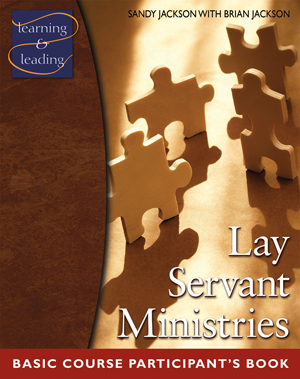
Lay Servant Ministries Basic Course
Pathways: All
This is an overview course that provides helpful background for all laypersons in service in the church and community. It is also required for all who pursue recognition in Lay Servant Ministries. The Lay Servant Ministries Basic Course is a foundational course designed to equip new church leaders and renew current leaders in The United Methodist Church. It explores:
- personal spiritual gifts;
- servant leadership;
- each leader’s role in developing future leaders;
- the importance of consistent spiritual practices;
- the core ministries of Leading, Caring, and Communicating.
For Participants: All participants are expected to read the LSM Basic Course Participant’s Book, by Sandy Jackson with Brian Jackson, prior to the course. This book is also available in Spanish.
For Facilitators: The Leader’s Guide, also written by Sandy Jackson, offers step-by-step lesson plans for teaching this course. In addition, PowerPoint slides and other resources are freely available on the UMC Discipleship Ministries Basic Course Resources page. The Leader Guide is also available in Spanish.
Accountable Discipleship
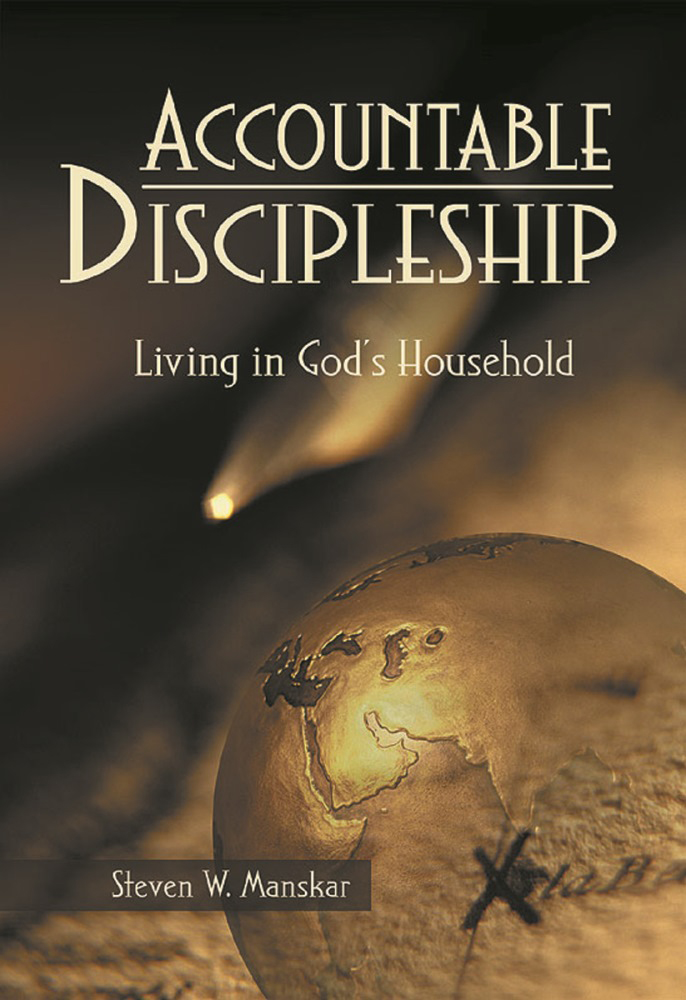
Accountable Discipleship
Pathways: Teacher, Worship Leader, Personal Faith Formation, Discipleship Leaders
This course focuses on the concept of the household of God, Scripture as divine revelation, Wesleyan understandings of grace, and the importance of the class leader in the development of the Methodist movement.
Note: This is the prerequisite for the Class Leaders course.
By the end of this course, learners will have:
- Learned about Wesleyan spirituality and accountable discipleship, including the concept of God’s household;
- Become familiar with the Wesleyan concept of grace;
- Examined how the early Methodists created community and considered ways their own faith community can be a reflection of genuine Christian community;
- Learned about the role of class leaders in the development of the Methodist movement;
- Gained a biblical, theological, and practical understanding of lay ministry;
- Become familiar with Covenant Discipleship groups.
For Participants: All participants are expected to read Accountable Discipleship: Living in God’s Household, by Steven W. Manskar, prior to the course.
For Facilitators: The Revised Leader’s Guide, Becoming Accountable Disciples, also by Steven W. Manskar, provides step-by-step lesson plans for teaching the course.
Aging and Ministry in the 21st Century
Aging and Ministry in the 21st Century
This course will help you learn much about the aging process and the developmental stage of older adulthood. It will also offer new ways of helping your congregation develop an intentional and comprehensive ministry by, with, and for older adults.
Learners will:
- Gain an understanding of the issues and concerns of midlife and older adults including myths and realities of aging and the physiological changes that occur in later years;
- Become informed about intentional ministries with midlife and older adults including caregiving and the role of work and retirement in aging;
- Acquire skills for developing a comprehensive ministry by, with, and for midlife and older adults addressing faith needs as well as end-of-life issues.
For Participants: All participants are expected to read Aging and Ministry in the 21st Century: An Inquiry Approach, by Richard H. Gentzler, Jr., prior to the course.
For Facilitators: The Leader’s Guide, In Ministry with Boomers and Beyond, provides step-by-step lesson plans for teaching the course.
Called to Preach
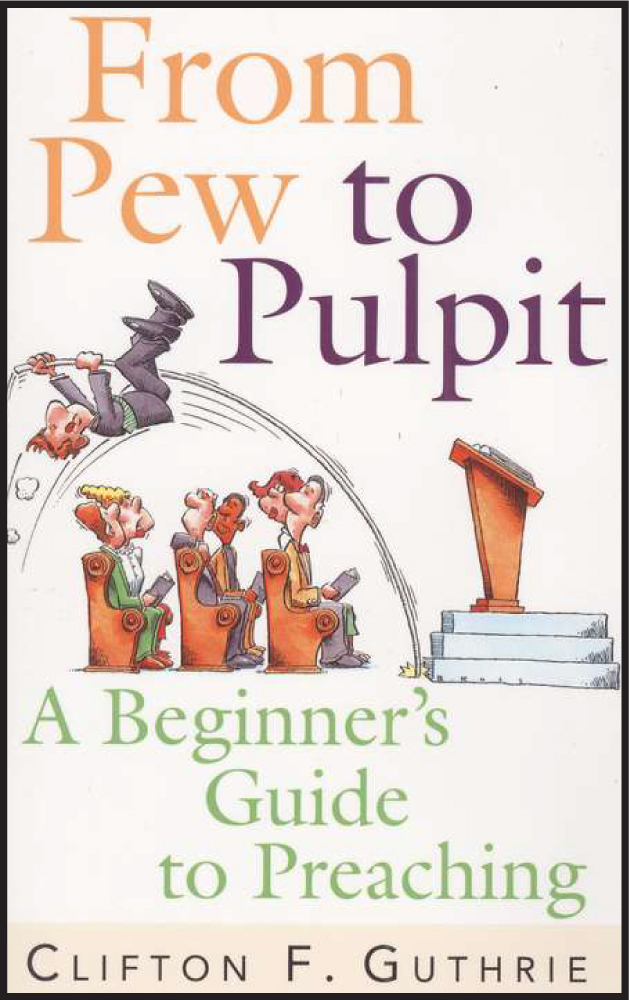
Called to Preach
Meets preaching requirement for certified lay speakers
This course is designed for those who have not completed formal preaching training, for pastors seeking a basic refresher course, and for others who are called upon to preach in a pastor’s absence.
Learners will:
- Examine the role of the sermon in the Service of Worship and see it as a proclamation of the Good News;
- Work through the stages in sermon preparation from message topic to final manuscript;
- Learn how to assess the congregation’s profile as it impacts sermon creation and delivery;
- Examine technical issues of grammar, language, word selection, and humor and their impact on delivering the sermon.
For Participants: All participants are expected to read From Pew to Pulpit: A Beginner’s Guide to Preaching, by Clifton F. Guthrie, prior to the course.
For Facilitators: The Called to Preach Study Guide, by Dawn Chesser, provides step-by-step lesson plans for teaching the course. In addition, PowerPoint slides are freely available on the UMC Discipleship Ministries LSM Resources page.
Campus Ministry: Empowering Congregations to Support Students at Colleges and Universities
Campus Ministry: Empowering Congregations to Support Students at Colleges and Universities
This course helps lay servants understand and communicate the key role played by local churches in nourishing the spiritual lives of college students through campus ministries.
Participants will:
- Learn about the developmental needs of the 18- to 26-year-old demographic in the United States;
- Understand basic structures for campus ministries and offices of spiritual and religious life on college or university campuses;
- Gain a framework to discern how United Methodist congregations may be called to serve students in their local context;
- Engage tools to begin bridging the administrative structures at the institution of higher learning in question to gain appropriate access to students.
For Participants: All participants are expected to read Campus Ministry: Empowering Congregations to Support Students at Colleges and Universities, by Colleen Hallagan Prueninger, prior to the course.
For Facilitators: The Campus Ministry Leader’s Guide, also by Colleen Hallagan Prueninger, provides step-by-step lesson plans for teaching the course.
Class Leaders
Class Leaders
Pathways: Worship Leader, Discipleship Leaders
Class leaders and class meetings were the hallmark of early Methodism and an effective means of providing nurture and oversight of the members of the Methodist societies. Recovery of this tradition can deepen discipleship in a congregation and this course offers some guidelines for the revitalized office of class leader.
NOTE: This class is intended for participants whose churches have been engaged in Covenant Discipleship groups for at least 2 years. Accountable Discipleship is considered a prerequisite for this course.
This course will:
- Explore the office of class leader in the Wesleyan Methodist tradition;
- Examine the need for recovering the lay pastoral ministry of the class leader for the twenty-first century church;
- Describe how the ministry of the certified lay servant intersects with that of the class leader;
- Examine the role of Covenant Discipleship groups in the formation of class leaders;
- Explore the work of the class leader and the leader’s primary purpose of encouraging members of their class to grow in discipleship guided by the General Rule of Discipleship.
For Participants: All participants are expected to read Class Leaders: Recovering a Tradition, by David Lowes Watson, prior to the course.
For Facilitators: The Leader’s Guide, by Steven W. Manskar, provides step-by-step lesson plans for teaching the course.
Connectional Living and Connectional Giving
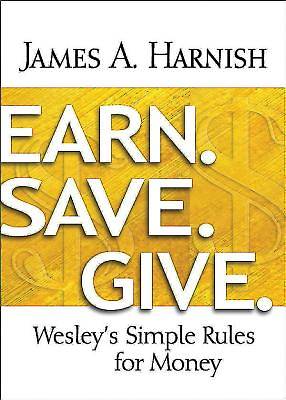
Connectional Living and Connectional Giving
This course will help lay servants understand and share the world-transforming power of connectional giving rooted in the biblical/Wesleyan tradition.
Learners will:
- Develop an understanding of John Wesley’s admonitions—to earn, save, and give all you can;
- Study various scriptures and how they relate to our connectional living, which leads to connectional giving and connecting to Wesley’s teachings;
- Examine the ways in which an understanding of why we give and where we invest our resources is imperative to living our faith through the United Methodist connectional system;
- Be able to describe the apportionment structure through the general church, jurisdictions, annual conferences, and districts, and how that relates to the local church and decisions made in the local church;
- Create a presentation on how living in connection as part of God’s creation leads us to giving in support of mission/ministry in that connection.
For Participants: All participants are expected to read Earn. Save. Give. Wesley’s Simple Rules for Money, by James A. Harnish, prior to the course.
For Facilitators: The Connectional Living and Connectional Giving Leader’s Guide, by Ken Sloane and Roger Curless, provides step-by-step lesson plans for teaching the course.
Dancing with Words (Storytelling)
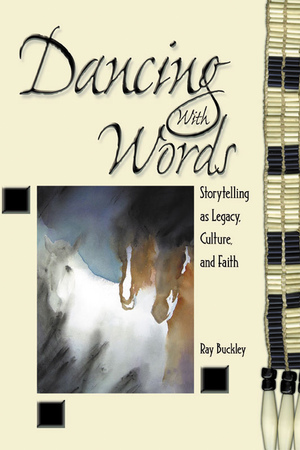
Dancing with Words (Storytelling)
Pathway: Teacher
For people of faith, storytelling has special meaning. We are people of the story, and we seek to identify and share our stories in nearly everything we do.
Participants in the course will:
- Learn what constitutes a good story;
- Discover storytelling styles;
- Learn the techniques of effective storytelling;
- Practice creating stories from their experiences.
For Participants: All participants are expected to read Dancing with Words: Storytelling as Legacy, Culture, and Faith, by Ray Buckley, prior to the course.
For Facilitators: The Leader’s Guide, Lay Speakers Tell Stories, also by Ray Buckley, provides step-by-step lesson plans for teaching the course.
Devotional Life in the Wesleyan Tradition
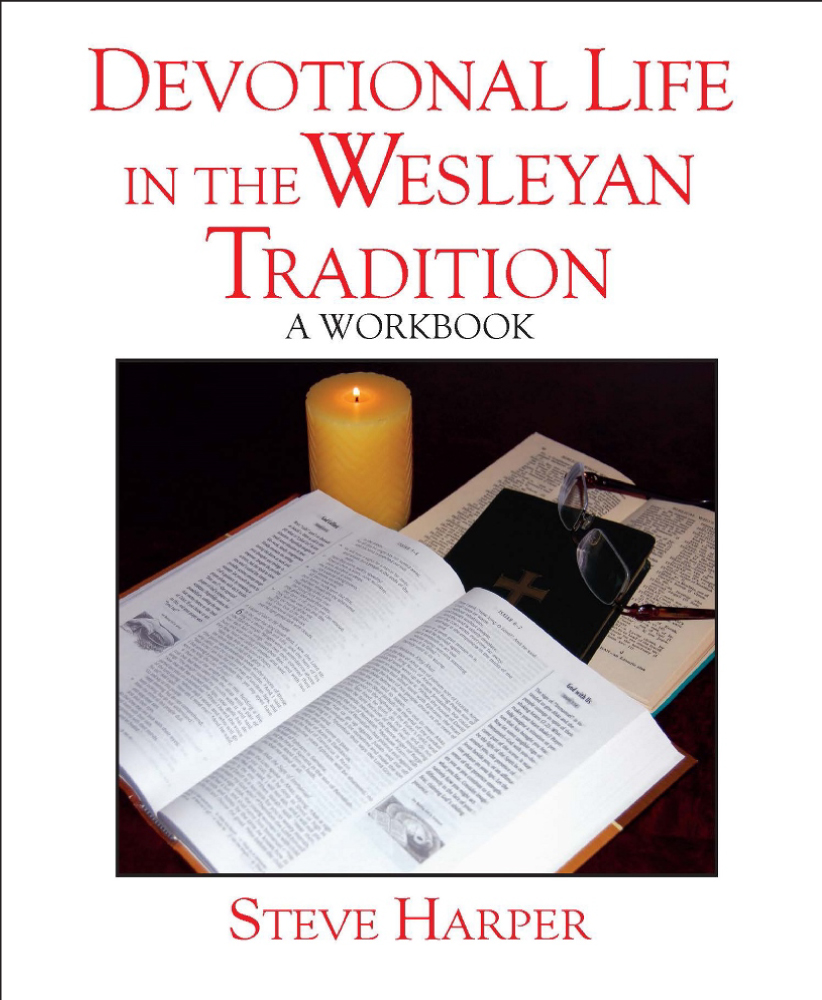
Devotional Life in the Wesleyan Tradition (Daily Disciplines)
Pathways: Personal Faith Formation, Discipleship Leaders
Structured around Wesley’s “means of grace,” this study covers, among other topics, prayer, Scripture, the Lord’s Supper, and fasting – major features in John Wesley’s devotional life. Participants will learn how they can apply Wesley’s ministry to their own life.
Learners will:
- Become acquainted with the devotional life as practiced by John Wesley and his personal habits for maintaining that life;
- Study a variety of spiritual disciplines and begin their practice;
- Understand the role of spiritual disciplines in coming to know God;
- Develop skills for leading other people to grow spiritually through daily disciplines;
- Affirm the church as a community of believers in which people are loved and nurtured to grow in faith.
For Participants: All participants are expected to read Devotional Life in the Wesleyan Tradition: A Workbook, by Steve Harper, prior to the course. This book is also available in Spanish and Korean.
For Facilitators: The Leader’s Guide, Grow Spiritually Through Daily Discipline, by Anita Owens Fenstermacher, provides step-by-step lesson plans for teaching the course. This guide is also available in Spanish.
Discipleship Begins with Relationship: Creating a Spiritual Growth Plan to See All The People
Discipleship Begins with Relationship: Creating a Spiritual Growth Plan to See All The People
This course helps lay servant leaders understand and adapt an intentional discipleship plan for their church context using resources from the See All The People movement.
For Participants: All participants are expected to read the following two books, available to purchase as hard copies or as free downloads.
- Developing an Intentional Discipleship System: A Guide for Congregations, by Junius B. Dotson
- Engaging Your Community: A Guide to Seeing All the People, by Junius B. Dotson
For Facilitators: The Leader’s Guide and PowerPoint slides are available as free downloads on the UMC Discipleship Ministries LSM Resources page.
Discover Your Spiritual Gifts
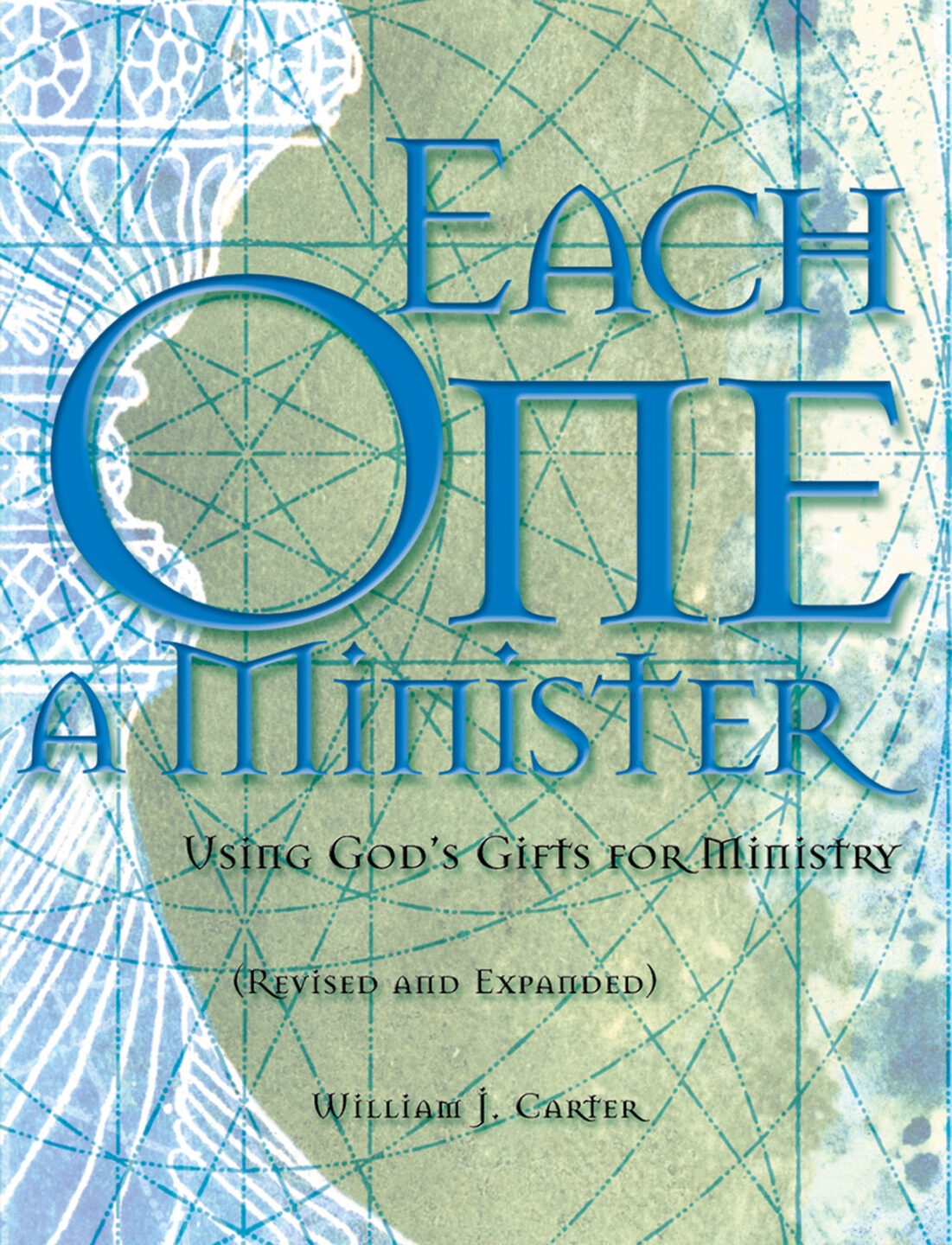
Discover Your Spiritual Gifts
Meets spiritual gifts requirement for certified lay speakers – note that there is now a newer spiritual gifts course that also meets this requirement
This course helps participants understand spiritual gifts and how the church can use them to fulfill its mission and ministry. Participants will also learn what it means to be a spiritual leader and will be equipped to lead others in exploring and using their spiritual gifts.
For Participants: All participants are expected to read Each One a Minister: Using God’s Gifts for Ministry, by William J. Carter, prior to the course.
For Facilitators: The Revised Leader’s Guide, Discover Your Spiritual Gifts, also by William J. Carter, provides step-by-step lesson plans for teaching the course. Additional resources recommended for leaders include Rediscovering Our Spiritual Gifts, by Charles V. Bryant, and Your Spiritual Gifts Inventory, by Charles V. Bryant. In addition, PowerPoint slides are available on the UMC Discipleship Ministries LSM Resources page.
Embracing Personal Prayer
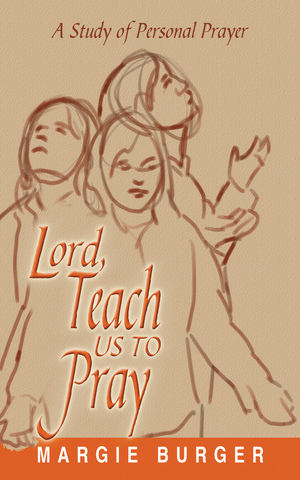
Embracing Personal Prayer
Pathways: Prayer Teams, Personal Faith Formation, Lay Pastoral Care Giving Teams
Prayer is a relationship with God that grows and matures over time. Burger’s study combines scriptural teaching and personal testimony that will help you overcome obstacles to intimacy with God. Appropriate for individuals and small groups, this resource features practical suggestions and honest testimony from a pilgrim who desires to walk with God.
Learners will:
- Examine their own prayer lives;
- Explore lessons from the prayer life of Jesus;
- Learn deeper approaches to personal prayer;
- Embrace the promise of intimacy with God.
For Participants: All participants are expected to read Lord, Teach Us to Pray: A Study of Personal Prayer, by Margie Burger, prior to the course.
For Facilitators: The Leader’s Guide, Embracing Personal Prayer, by Pat Hogan, provides step-by-step lesson plans for teaching the course.
Exploring a Culture of Care for a Caring Congregation
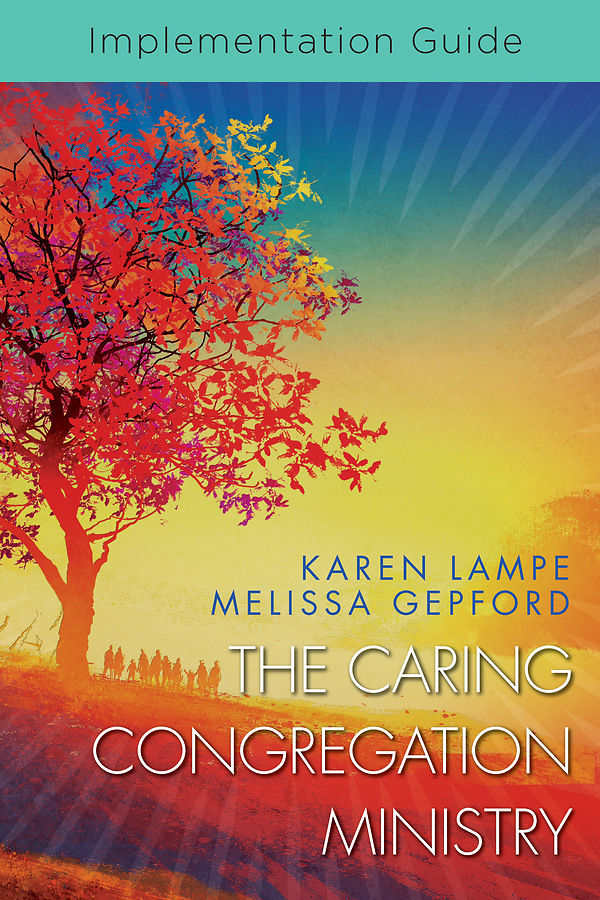
Exploring a Culture of Care for a Caring Congregation
Pathways: TBD
Pastors and church leaders genuinely want to care for people in their congregations and communities. But pastors cannot care for an entire church, and most laypersons don’t have the training to do it. The Caring Congregation Ministry offers a proven, laity-centered model of person-to-person care that equips congregations of every size to extend compassion in meaningful ways. This course introduces the model and its Five Essentials, providing a foundation for understanding how Congregational Care Ministers are trained, commissioned, and supported in offering care within their congregations and communities.
Learners will learn:
- Deep listening techniques for meaningful connections.
- How to provide care during times of loss and crisis.
- How to maintain healthy boundaries in caring relationships.
- How to understand cultural differences in care ministry approaches.
For Participants: All participants are expected to read The Caring Congregation Ministry: Implementation Guide, by Karen Lampe and Melissa Gepford, prior to the course.
For Facilitators: The Leader’s Guide, Exploring a Culture of Care for a Caring Congregation, by Pat Hogan, provides step-by-step lesson plans for teaching the course in six 90-minute sessions.
For the Common Good: Discovering and Using Your Spiritual Gifts
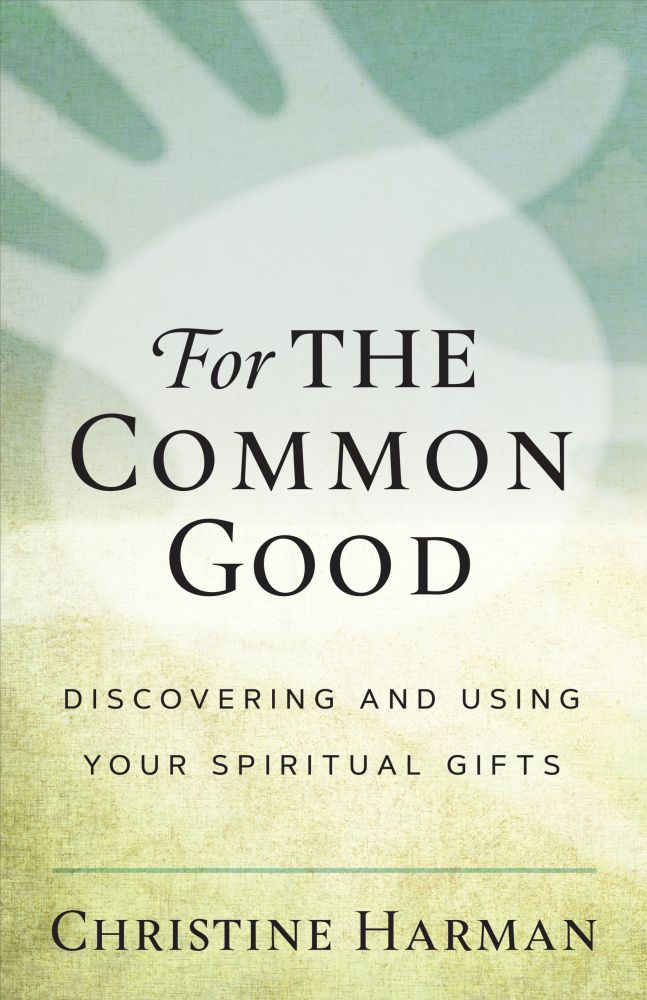
For the Common Good: Discovering and Using Your Spiritual Gifts
Certified lay speaker required class
Pathways: All
This course offers a scriptural understanding of spiritual gifts as always given “for the common good.” By helping participants identify and link their gifts, abilities, and sense of calling, laity will learn the powerful connection between spiritual gifts and vocational discernment in the context of the mission of their local church. They will also learn how to make spiritual gifts discernment a part of their congregation’s culture and commitment to equip mission-focused leaders who make disciples of Jesus Christ for the transformation of the world.
Participants will:
- Discover the nature of spiritual gifts through Bible study and reflection;
- Relate spiritual gifts to the overall life of the church and to the means of grace;
- Discover one’s own spiritual gifts and examine their definitions;
- Develop a plan to implement the use of spiritual gifts as an element of leader development and deployment in the local church including suggestions for how to build a ministry team or assign people to committees based on the gifts of each individual.
For Participants: All participants are expected to read For the Common Good: Discovering and Using Your Spiritual Gifts, by Christine Harman, prior to the course.
For Facilitators: The Leader’s Guide, also by Christine Harman, provides step-by-step lesson plans for teaching the course.
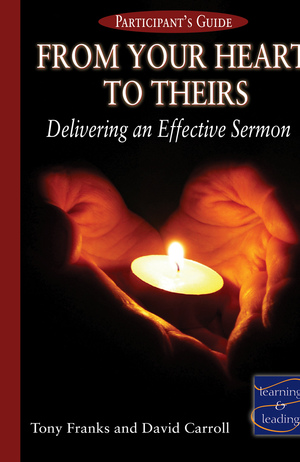
From Your Heart to Theirs: Delivering an Effective Sermon
From Your Heart to Theirs: Delivering an Effective Sermon
Meets preaching requirement for certified lay speakers
This course will expand upon basic public speaking and the foundations necessary for preparing an engaging sermon. Included are various types of sermons – from exegetical to topical to children’s sermons – as well as how to find a story, use the hymnal, and how to move from communication on paper to beyond the paper.
NOTE: Though not a prerequisite, it is recommended that the “Called to Preach” course be taken first.
Learners will:
- Prepare for different kinds of sermons (exegetical, topical, personal testimony, and children’s sermon);
- Hone their preaching skills through practice in front of a group;
- Provide feedback for other class members;
- Receive feedback and evaluation of one’s own sermon delivery.
For Participants: All participants are expected to read From Your Heart to Theirs: Delivering an Effective Sermon, by Tony Franks and David Carroll, prior to the course.
For Facilitators: The Instructor’s Guide, also by Tony Franks and David Carroll, provides step-by-step lesson plans for teaching the course.
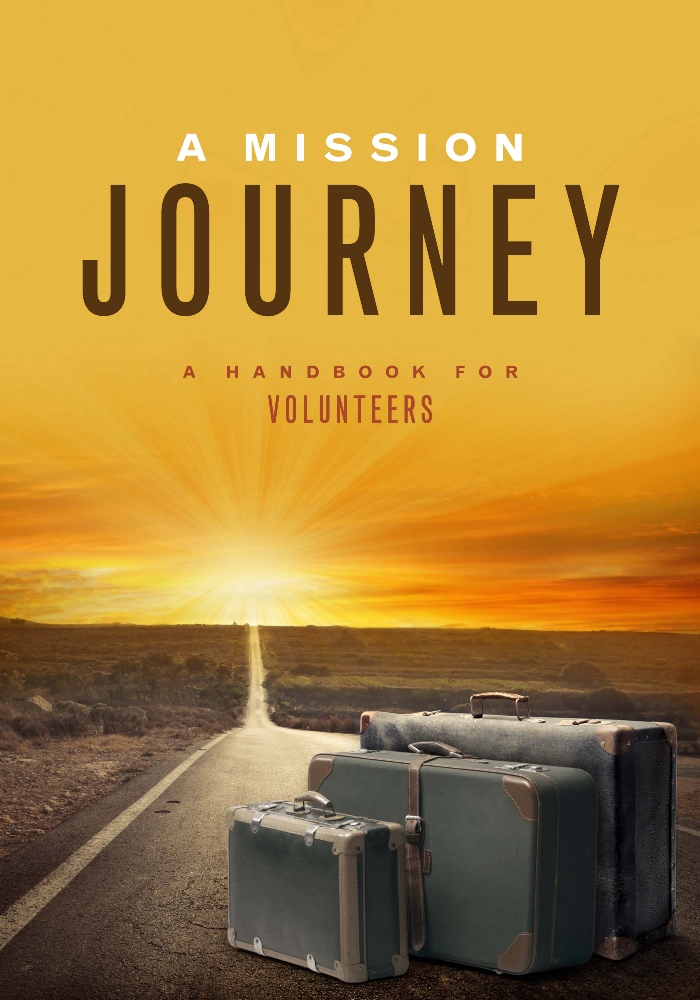
God’s Mission…Our Journey
God’s Mission…Our Journey
Pathway: Missions
This course will provide participants with a better understanding of a holistic approach to participation in God’s mission to the world and equip lay servants for more effective missional engagement in their communities and beyond.
Learners will:
- Gain a better understanding of the biblical foundation for mission and why God calls us to engage in mission as an answer to God’s call;
- Learn ways to live out their faith in mission through serving and loving;
- Expand their cultural awareness of the relationship between gospel and culture, and the challenges of Christian mission in a time of globalization.
For Participants: All participants are expected to read A Mission Journey: A Handbook for Volunteers, edited by Una Jones, prior to the course.
For Facilitators: The Leader’s Guide, God’s Mission, Our Journey, by Jodi Cataldo, provides step-by-step lesson plans for teaching the course. In addition, PowerPoint slides for this course are available on the UMC Discipleship Ministries LSM Resources page.
Justice in Everyday Life
Justice in Everyday Life
Pathway: Personal Faith Formation
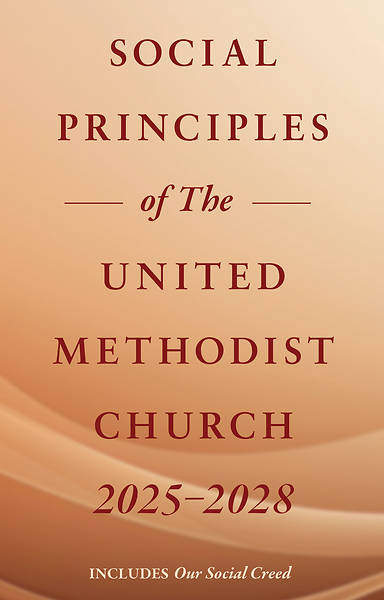
This course takes an in-depth look at the Social Principles of The United Methodist Church — the church’s attempt to speak on contemporary issues with which it is confronted today. The course covers topics such as the following: Natural World, Social Community, Economic Community, and Political Community.
Learners will be able to:
- Explain the relationship of the Social Principles to the Bible and their roots in the Wesleyan tradition as expressed through The United Methodist Church as a “means of grace”;
- Describe key positions of the Social Principles and correlate their statements with the lived out practice of ministry for individuals and local churches;
- Create a hospitable climate for teaching and practicing the Social Principles.
For Participants: All participants are expected to read the Social Principles of the United Methodist Church 2025-2028 prior to the course.
For Facilitators: The Leader’s Guide, Justice in Everyday Life: A Look at the Social Principles of the United Methodist Church, by Neal Christie, provides step-by-step lesson plans for teaching the course.
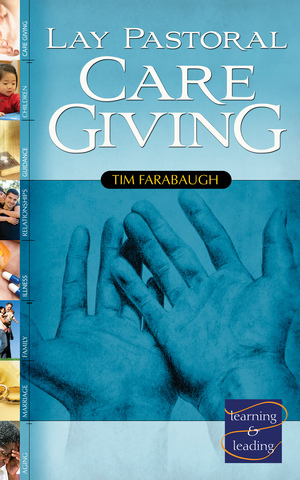
Lay Pastoral Care Giving
Lay Pastoral Care Giving
Pathway: Prayer Teams, Lay Pastoral Care Giving Teams
This course will offer a systemic path for pastoral care using the gifts of the laity in the church. Unique to this course is the ongoing training and accountability meetings outlined for those in this valuable ministry.
Participants will be able to:
- Describe and discuss the concepts of lay pastoral care;
- Demonstrate appropriate interactions in a caregiving situation;
- Describe life and faith passages;
- Discuss the relevancy of sensitivity and supportive environments;
- Describe and discuss various situations and conditions they may encounter.
For Participants: All participants are expected to read Lay Pastoral Care Giving, by Tim Farabaugh, prior to the course.
For Facilitators: The Leader’s Guide, Leading in Lay Pastoral Care, by Brian Jackson, provides step-by-step lesson plans for teaching the course.
Lay Servants as Christian Transformational Leaders
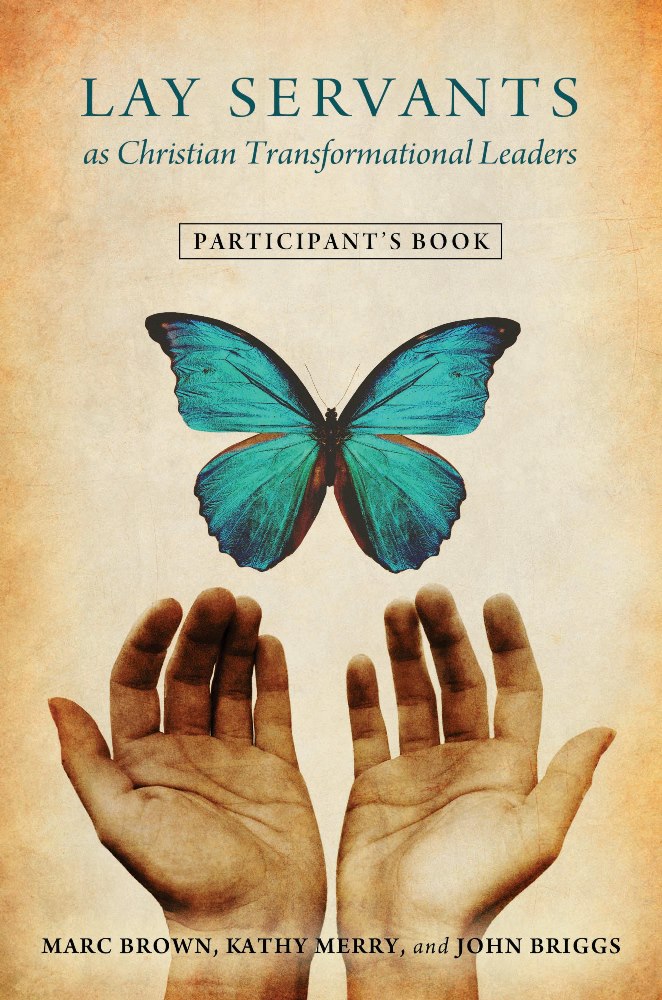
Lay Servants as Christian Transformational Leaders
Pathway: Worship Leader
This course will guide lay servants seeking to be more empowered to lead their congregations toward vitality.
Learners will:
- Examine the scriptural foundation for Christian transformational leader and the role for individuals;
- Encounter and experience practices for empowerment, including:
- Enduring encouragement;
- Seeing beyond self-focused concerns;
- Asking right questions;
- Leading by having the mind of Christ.
For Participants: All participants are expected to read Lay Servants as Christian Transformational Leaders, by Marc Brown, Kathy Merry, and John Briggs, prior to the course.
For Facilitators: The Leader’s Guide, also by Marc Brown, Kathy Merry, and John Briggs, provides step-by-step lesson plans for teaching the course. In addition, PowerPoint slides for this course are available on the UMC Discipleship Ministries LSM Resources page.
Lay Servants Lead in Conflict Resolution
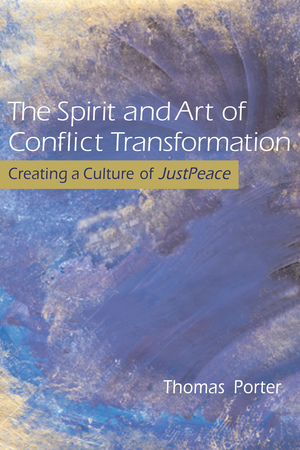
Lay Servants Lead in Conflict Resolution
Pathways: Missions, Administrative Committees, Lay Pastoral Care Giving Teams
Every church deals with conflict, both healthy and unhealthy, and lay servants can be equipped and empowered to help lead through those times of conflict as a time of transformation.
Learners will:
- Encounter conflict as a positive force and spiritual pursuit that is grounded in biblical principles, love of God, neighbor, and self;
- Experience preparation steps for the work of engaging conflict;
- Consider how to engage others in conflict transformation, outlining specific processes.
For Participants: All participants are expected to read The Spirit and Art of Conflict Transformation: Creating a Culture of JustPeace, by Thomas Porter, prior to the course.
For Facilitators: The Leader’s Guide, Lay Servants Lead in Conflict Resolution, by Regina Allen, provides step-by-step lesson plans for teaching the course. In addition, PowerPoint slides for this course are available on the UMC Discipleship Ministries LSM Resources page.
Leading Bible Study
Leading Bible Study
This course opens a new world for many lay servants who have not had professional training in biblical interpretation.
Learners will:
- Explore a working knowledge of biblical interpretation;
- Study both the Scripture texts and the reading of context and how that changes the way we examine Scripture;
- Encounter the wide range of biblical interpretation with historical, social, and cultural issues and diversity.
For Participants: All participants are expected to read Biblical Interpretation: A Roadmap, by Sharon H. Ringe, prior to the course.
For Facilitators: The Leader’s Guide, Journey to Bible Interpretation, by Dana M. Bunn, provides step-by-step lesson plans for teaching the course.
Leading Missional Small Groups
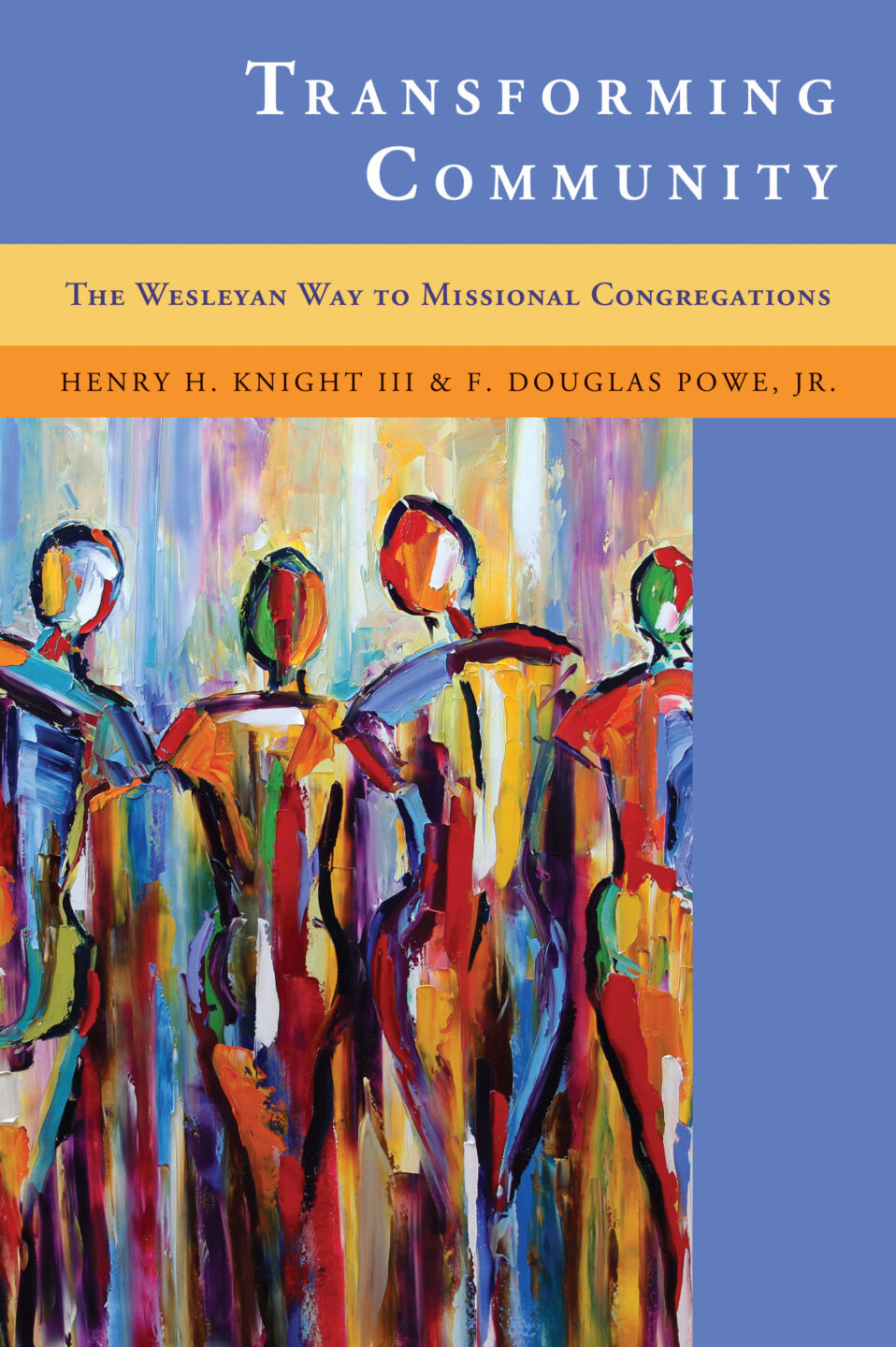
Leading Missional Small Groups
Pathway: Missions
This course teaches the Wesleyan way to form missional communities and congregations. It is based on the conviction that just as holiness of heart leads to holiness of life, it is communities of holy love that participate in God’s mission in the world.
Learners will:
- Recover the early days of the Methodist movement, and what it means to be missional, and why that is our call;
- Reframe their understanding of how the means of grace shape us to serve ‘missionally’;
- Be able to define a missional community, how to organize for it, and what it means.
For Participants: All participants are expected to read Transforming Community: The Wesleyan Way to Missional Congregations, by Henry H. Knight III and Douglas Powe Jr., prior to the course.
For Facilitators: The Leader’s Guide, Leading Missional Small Groups, by M. Scott Hughes and Jodi Cataldo, provides step-by-step lesson plans for teaching the course. In addition, PowerPoint slides for this course are available on the UMC Discipleship Ministries LSM Resources page.
Leading Worship
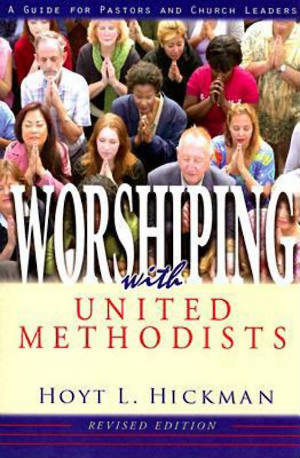
Leading Worship
Certified lay speaker required class
Pathway: Worship Leader
This course focuses on the ministry of the lay servant who either regularly or occasionally leads a group, class, organization, or congregation in worship. The course is grounded in the classic patterns of Christian worship.
Learners will:
- Be able to name the four elements of the Basic Pattern of Worship and describe the history of this pattern;
- Practice leadership through the four elements of the basic pattern;
- Receive and offer supportive feedback on planning and leading worship;
- Explore and practice leading worship in a variety of settings, other patterns of worship, and multiple forms of prayer.
For Participants: All participants are expected to read Worshiping with United Methodists, rev. ed., by Hoyt L. Hickman, prior to the course.
For Facilitators: The Leader’s Guide, Leading Worship, by Taylor Burton Edwards, provides step-by-step lesson plans for teaching the course. In addition, PowerPoint slides for this course are available on the UMC Discipleship Ministries LSM Resources page.
Life Together in the United Methodist Connection (United Methodist Polity)
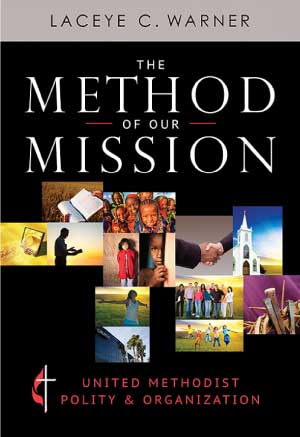
Life Together in the United Methodist Connection (United Methodist Polity)
Certified lay speaker required class
Pathway: Administrative Committees
Why does The United Methodist Church do things the way it does? And what does any of this have to do with trying to be a place and a people that embody the Kingdom of God? This course will help participants get their bearings and consider the specific structural challenges The United Methodist Church faces in the 21st century.
NOTE: Participants will also need a Book of Discipline.
Participants will be able to:
- State and describe the uniqueness, purpose, and overall structure of The United Methodist Church, its connectional system and its order of missionary preachers;
- Describe the uniqueness and purpose of the episcopacy, the itinerant ministry and appointment processes, the ordering of ministry, and annual conference;
- Explain the many ways our connection works together to fulfill its mission from the local church to the global general agencies;
- Identify elements of the connection beyond the borders of the annual conference: jurisdictions, General Conference, Judicial Council, and central conferences, as well as other international affiliated churches;
- Use new tools for discernment in making decisions in the local church.
For Participants: All participants are expected to read The Method of Our Mission: United Methodist Polity and Organization, by Laceye C. Warner, prior to the course.
For Facilitators: The Leader’s Guide, Life Together in the United Methodist Connection, by Beth Galbreath, provides step-by-step lesson plans for teaching the course. In addition, PowerPoint slides for this course are available on the UMC Discipleship Ministries LSM Resources page.
Living Our United Methodist Beliefs (United Methodist History)
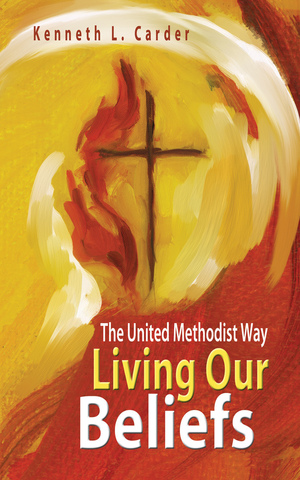
Living Our United Methodist Beliefs (United Methodist History)
Certified lay speaker required class
This course will explore the special gifts of theology, witness, and organization that The United Methodist Church brings to the church universal, how we got where we are today, and how our distinctive emphases are still needed in the 21st-century church.
Participants will:
- Gain an understanding of the distinctive traditions and emphases of The United Methodist Church;
- Learn about the journey of the people historically known as Methodists and Evangelical United Brethren, who united in 1968 to form The United Methodist Church;
- Learn about the contributions of the early leaders of these churches – Wesley, Otterbein, Boehm, Albright, and many others;
- Develop skills in interpreting United Methodist heritage and emphases to the local church and its members.
For Participants: All participants are expected to read Living Our Beliefs: The United Methodist Way, by Kenneth L. Carder, prior to the course.
For Facilitators: The Leader’s Guide, Living Our United Methodist Beliefs, by George Hovaness Donigian, provides step-by-step lesson plans for teaching the course. In addition, PowerPoint slides for this course are available on the UMC Discipleship Ministries LSM Resources page.
Loving People and Planet in God’s Name
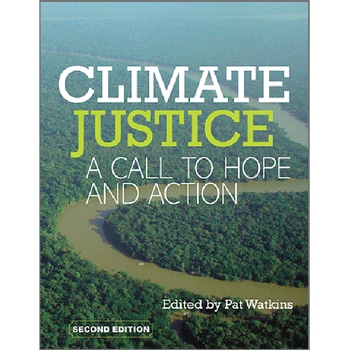
Loving People and Planet in God’s Name
This course equips and empowers lay participants to engage people in their local churches in creation care and environmental justice. Lay participants will understand this work as the appropriate response of disciples of Jesus Christ to the realities of climate change. Using the new revised second edition of Climate Justice: A Call to Hope and Action, this course helps local churches grow deeper in their faith through the caring creation of practical and context-specific plans that mitigate the effects of reckless human consumption.
For Participants: All participants are expected to read Climate Justice: A Call to Hope and Action, edited by Pat Watkins, prior to the course.
For Facilitators: The Leader’s Guide, Loving People and Planet in God’s Name: Engaging the Local Church in the Study and Practice of Climate Justice, by Bob Downs and Crys Zinkiewicz, provides step-by-step lesson plans for teaching the course. In addition, PowerPoint slides for this course are available on the UMC Discipleship Ministries LSM Resources page.
Ministry with the Forgotten
Ministry with the Forgotten
This course is designed to help laity and clergy deepen their understanding of persons living with dementia and help all maintain their identity and worth as beloved children of God. Confronting the deep personal and theological questions created by loving people with dementia, Carder calls the church to a deeper discipleship defined by the quality of our caring and receiving relationships.
Participants will discover what it means to carry each other’s memories, joys, and diminishments together in community. Through loving practices that nurture and incorporate persons with Alzheimer’s and dementia into the church’s life and ministry, we experience a spiritual wholeness rooted in God’s grace beyond our own strengths and capacities.
Participants will:
- Be better quipped to minister with people affected by dementia, receiving their gifts and responding to their unique needs;
- Discover practical ways the contributions of people with dementia can be identified, nurtured, and incorporated into the church’s life and ministry;
- Deepen their understanding of how those with dementia maintain their identity and worth as beloved children of God.
For Participants: All participants are expected to read Ministry with the Forgotten: Dementia through a Spiritual Lens, by Kenneth L. Carder, prior to the course.
For Facilitators: The Leader’s Guide, also by Kenneth L. Carder, provides step-by-step lesson plans for teaching the course.
Opening Ourselves to Grace: Basic Christian Practices
Opening Ourselves to Grace: Basic Christian Practices
This video-based course helps lay servant leaders embrace and communicate a Wesleyan understanding of basic Christian practices (works of piety and mercy) as means of grace.
For Participants: All participants are expected to read Opening Ourselves to Grace: The Means of Grace and Discipleship, by Steven W. Manskar, prior to the course. This resource is available as a free download on the UMC Discipleship Ministries LSM Resources page.
For Facilitators: The Leader’s Guide, Opening Ourselves to Grace, by Derrek Belase, provides step-by-step lesson plans for teaching the course. The DVD/CO-ROM (sold separately) includes video content and digital resources to support the course.
Planning Worship
Planning Worship
This course builds on the course Leading Worship, and it is grounded in the principles and practices of worship planning.
Participants will learn how to:
- Form an effective worship planning team and to develop key practices for planning worship with vitality and integrity;
- Work with the Basic Pattern of Worship to demonstrate a cohesive design;
- Design effective transitions between the movements of the Basic Pattern;
- Evaluate worship planning for services using a variety of analysis tools.
For Participants: All participants are expected to read The Worship Workshop: Creative Ways to Design Worship Together, by Marcia McFee, prior to the course.
For Facilitators: The Leader’s Guide, Planning Worship, by Taylor Burton-Edwards, provides step-by-step lesson plans for teaching the course.
Public Prayer
Public Prayer
Certified lay speaker required class
Pathway: Prayer Teams
Anyone who is called upon to lead public prayer may feel anxious and possibly inadequate for such a task. This course offers help for novices as well as veteran leaders of prayer as they create and deliver appropriate prayers in public settings.
Learners will:
- Consider what public prayer is and is not;
- Acquire practical guidelines for avoiding common pitfalls;
- Explore prayers as an integral part of worship;
- Discuss the kind of language we need, and don’t need, to address God.
For Participants: All participants are expected to read Shaping the Prayers of the People: The Art of Intercession, by Samuel Wells and Abigail Kocher, prior to the course.
For Facilitators: The Leader Guide, Leading Public Prayer, by Debra R. Tyree, provides step-by-step lesson plans for teaching the course.
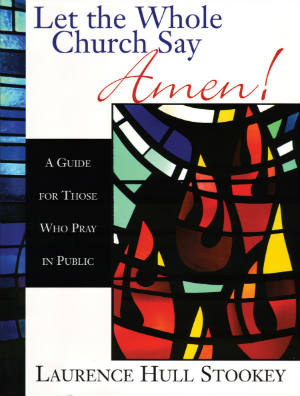
Alternative Version: Leading in Prayer
**** This course/book is the older version of the course and can still be used to meet the lay speaker requirement. Due to feedback that the course covered too much content, it was replaced with two courses: Public Prayer (the new required course for lay speakers) and Embracing Personal Prayer.
For Participants: All participants are expected to read Let the Whole Church Say Amen! A Guide for Those Who Pray in Public, by Laurence Hull Stookey, prior to the course.
For Facilitators: The Leader Guide, Leading in Prayer, by Mary O. Benedict, provides step-by-step lesson plans for teaching the course.
Sacraments: Means of Grace
Sacraments: Means of Grace
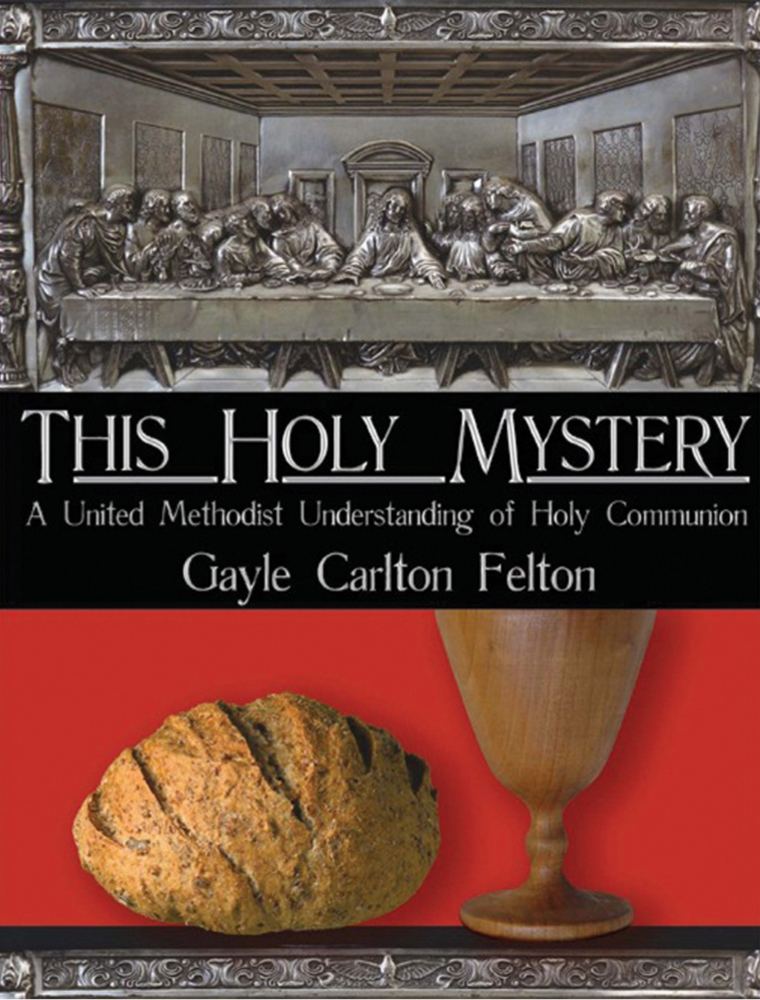
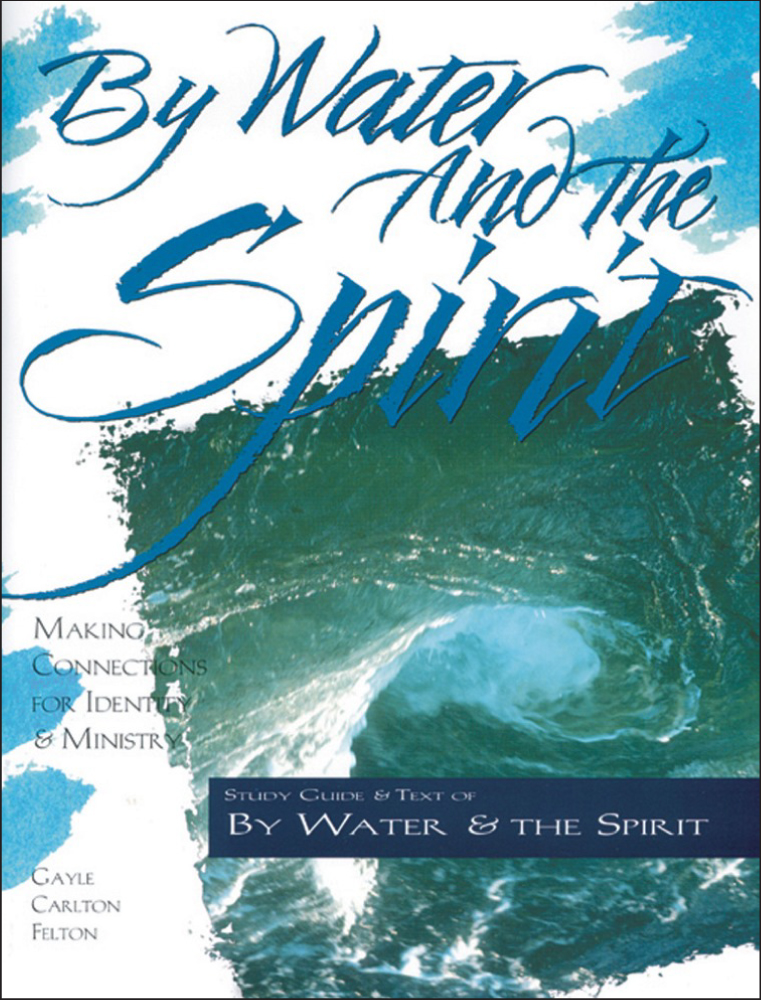
This advanced course with a leader’s guide by Rev. Beth Galbreath crystalizes her unique focus in the online Be A Disciple courses on Baptism and Holy Communion. Here Rev. Galbreath combines her approach with the key insights of two books on our sacramental
life: By Water and the Spirit and This Holy Mystery, by the late Gayle Carlton Felton. This study has both in-person and online lesson plans.
Learners will learn:
- about the theology of baptism and communion;
- how these sacraments relate to their communities;
- how to help their communities more fully embrace the meaning behind these sacraments.
For Participants: All participants are expected to read This Holy Mystery: A United Methodist Understanding of Holy Communion and By Water and the Spirit: Making Connections for Identity and Ministry, both written by Gayle Carlton Felton, prior to the course.
For Facilitators: The Leader Guide, Sacraments: Means of Grace, by Beth Galbreath, provides step-by-step lesson plans for teaching the course in ten one-hour long sessions. The Leader Guide also includes handouts and printable resources.
Sacred Tension: Dissonance and Dialogue in the Old Testament
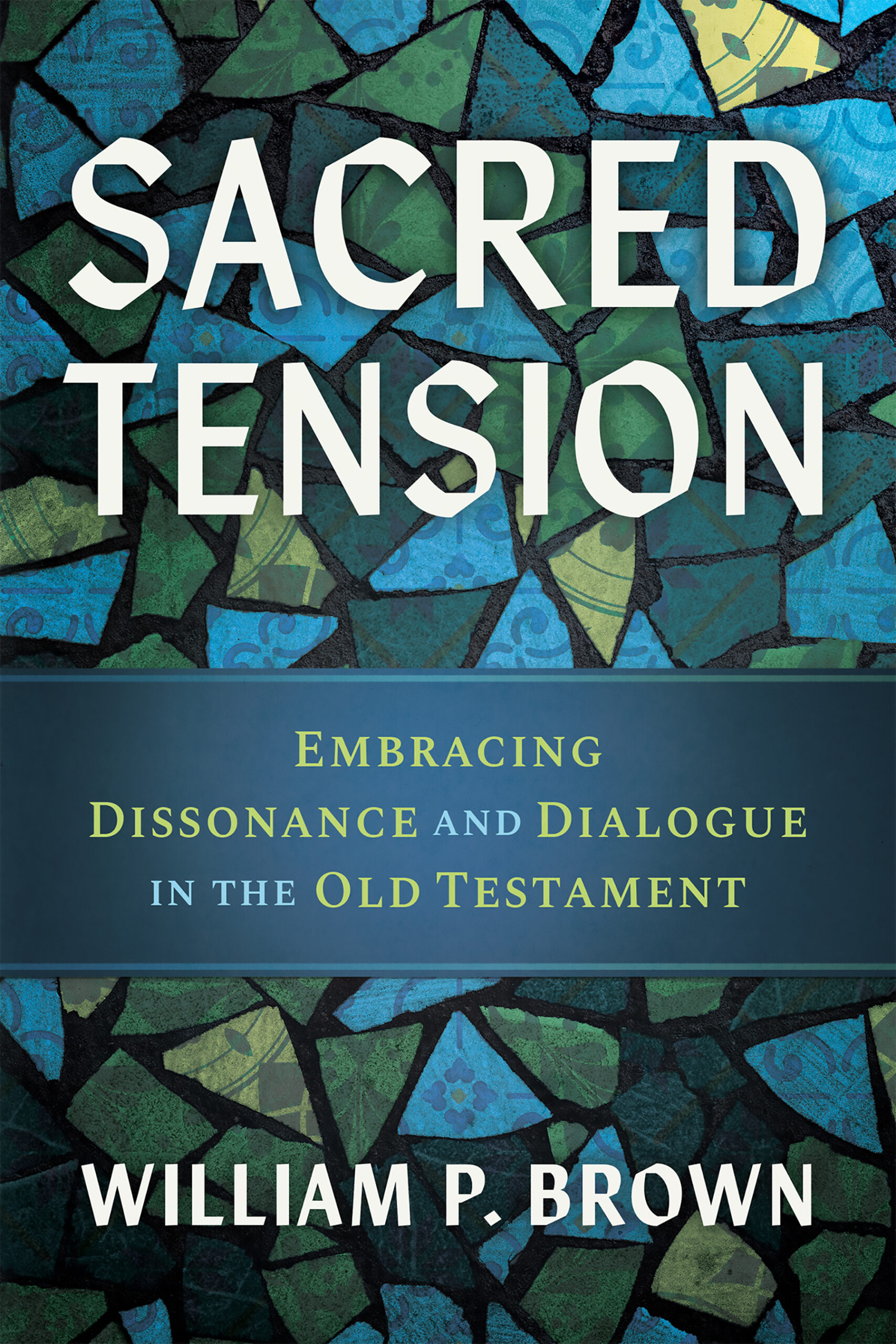
Sacred Tension: Dissonance and Dialogue in the Old Testament
This study explores the sacred reality of the Bible in wide-ranging dialogue with itself and with readers of varied perspectives and life-experiences. The Bible is indeed the quintessential “talking book” because it has its own habit of talking to itself, setting a precedent that allows readers to even “talk back” to the Bible. Readers will discover that the diverse and even contending voices in the Bible, despite and even because of their tensions and disagreements, can be regarded as Scripture’s strength, rather than its weakness. Book available now, Leader’s Guide, Fall 2025.
For Participants: All participants are expected to read Sacred Tension: Dissonance and Dialogue in the Old Testament by William P. Brown, prior to the course.
For Facilitators: The leader guide is not yet available. We will add a link here once it is published.
Soul Reset: Relearning the Rhythms of Grace Through Daily Life with God
Soul Reset: Relearning the Rhythms of Grace Through Daily Life with God
How can leaders nurture their own souls during seasons of
chaos, anxiety, and distress?
This course helps participants discover the power of rest through practices that create spiritual wholeness. Beyond toxic cultures and “idols” of busyness, distraction, and consumption at the root of so much of our anxiety and dis-ease, participants are invited to find their rest in the healing nearness of Jesus Christ.
Course goals:
- To reset and reorder their lives around spiritual practices;
- To learn to walk through our difficult seasons with our souls connected to the source of Living Water so that we don’t burn out or break down;
- To learn to lift one another up and point to one another back to Jesus.
For Participants: All participants are expected to read Soul Reset: Breakdown, Breakthrough, and the Journey to Wholeness, by Junius B. Dotson, prior to the course.
For Facilitators: The Soul Reset Adult Group Guide, also by Junius B. Dotson, provides step-by-step lesson plans for teaching the course.
Teach Adults
Teach Adults
Pathway: Teacher
This course provides a basic understanding of the ways adults learn and grow. It is a helpful course for anyone who leads in Sunday school or small group ministries. It is also an excellent course for persons planning to teach Lay Servant Ministries courses.
Learners will:
- Become acquainted with a variety of teaching/learning skills and techniques;
- Examine adult age level characteristics and ways to work with a diverse group of people that honor them and God;
- Practice teaching in a safe environment and try new methods that incorporate a variety of learning styles;
- Notice and evaluate the varieties of ways persons learn and how many teaching techniques or ideas can be successfully incorporated in an exciting and engaging session.
For Participants: All participants are expected to read Start Here: Teaching and Learning with Adults, by Barbara Bruce, prior to the course.
For Facilitators: The Leader Guide, Teach Adults, by Diana L. Hynson, provides step-by-step lesson plans for teaching the course.
Teaching Biblical Faith: Leading Small Group Bible Studies
Teaching Biblical Faith: Leading Small Group Bible Studies
Pathway: Teacher
This course is designed to help participants lead small groups through ten thoughtful approaches to scripture study. The goal is scriptural wisdom shaping both personal and congregational decision-making that shapes a more authentic, biblical faith.
Participants will learn:
- Useful strategies for leading group Bible study that help congregations respond faithfully to the biblical witness;
- To inspire conversation about the many ways the Bible can be taught, the purposes and outcomes of each approach, and how biblical wisdom shapes personal and corporate decision-making.
For Participants: All participants are expected to read Teaching Biblical Faith: Leading Small Group Bible Studies, by Jack L. Seymour, prior to the course.
For Facilitators: The Leader’s Guide, also by Jack L. Seymour, provides step-by-step lesson plans for teaching the course.
Transforming Evangelism
Transforming Evangelism
Pathways: Discipleship Leaders, Lay Pastoral Care Giving Teams
This course leads participants to learn from John Wesley how to practice relational evangelism. They will discover that evangelism involves not only sharing our faith with others but also welcoming people into a community where they can grow in faith.
Learners will:
- Explore the biblical models of evangelism and the relationship of hospitality to evangelism;
- Identify and reflect on faith stories;
- Discuss theological principles related to the ways people come to faith;
- Explore ways in which the church can support families as centers of faith development.
For Participants: All participants are expected to read Transforming Evangelism: The Wesleyan Way of Sharing Faith, by Henry H. Knight III and F. Douglas Powe, Jr., prior to the course. This book is also available in Spanish.
For Facilitators: The Leader’s Guide provides step-by-step lesson plans for teaching the course. The guide is also available in Spanish.
Pathways
Lay Servant Ministries offers Pathways to gain skills in particular ministry areas. These are clusters of courses, to be taken in any order, that we believe will help laypersons become more proficient in their ministry or help them discover a particular ministry they would like to explore.
All Pathways include the Basic Course and a Spiritual Gifts course (either Discover Your Spiritual Gifts or For the Common Good: Discovering and Using Your Spiritual Gifts). For additional courses specific to each pathway, click the arrow beside the pathway that interests you.
Pathways are open to anyone, whether or not you are seeking certification as a lay servant, speaker, or minister.

Administrative Committees
- Life Together in the United Methodist Connection (United Methodist Polity)
- Connectional Living & Connectional Giving (Stewardship)
- Lay Servants Lead in Conflict Resolution