Anti-Racism Resources
The North Carolina Conference Media Center recommends these books, DVDs, and online resources for your churches to use in their engagement with the work of anti-racism. Anyone involved with a United Methodist Church in the North Carolina Conference can borrow these resources through the mail, free of charge.
What We Believe
The Book of Discipline, The Book of Resolutions, and The Social Principles of The United Methodist Church include statements against racism. These foundational texts should be used in local church education and anti-racism work.
Read The Book of Discipline and The Book of Resolutions online.
Read The Social Principles online.
The Book of Discipline of The United Methodist Church, 2016, paragraph 5
The United Methodist Church proclaims the value of each person as a unique child of God and commits itself to the healing and wholeness of all persons.
The United Methodist Church recognizes that the sin of racism has been destructive to its unity throughout its history. Racism continues to cause painful division and marginalization.
The United Methodist Church shall confront and seek to eliminate racism, whether in organizations or in individuals, in every facet of its life and in society at large.
The United Methodist Church shall work collaboratively with others to address concerns that threaten the cause of racial justice at all times and in all places.
Social Principles: Racism, Ethnocentrism and Tribalism
We condemn racism, ethnocentrism, tribalism, and any ideology or social practice based on false and misleading beliefs or ideologies that one group of human beings is superior to all other groups of human beings. Additionally, we utterly reject laws, policies and social practices that marginalize, discriminate and/or encourage the use of violence against individuals, communities or other social groups based on perceived racial, ethnic or tribal differences.
We call on congregations and on pastors, bishops, and other church authorities to educate themselves about the root causes and manifestations of racism, ethnocentrism, and tribalism within communities of faith and to develop strategies for overcoming these kinds of social divisions. We likewise urge governments, businesses, and civil society organizations to renounce statements, policies, and actions aimed at promoting exclusion, discrimination and violence.
Environmental Racism
We confess that the negative impacts resulting from the degradation of the natural world have fallen disproportionately on marginalized communities, including indigenous tribes, religious and ethnic communities, people living in poverty, and other vulnerable groups. We, therefore, pledge to resist all forms of environmental exploitation, neglect and inequality. These practices condemn impoverished communities and developing countries to bear the brunt of hazardous environments, industrial pollution, toxic waste dumps and urban decay. Such behaviors constitute environmental racism. We oppose policies and practices that relegate marginalized communities to a permanent underclass status and ignore indigenous and other sources of communal wisdom, which call for air, land, and water to be treated with profound respect.
Additionally, these groups suffer disproportionately from higher rates of asthma, cancer, birth defects and other preventable medical conditions. These health problems are associated with pollutants and other chemicals in soil, water and air that affect our drinking water, foods and physical environment. We urge governments, businesses, and civic institutions to give priority to increasing access to prevention and treatment services.
We call for the institution of environmentally just principles, policies and practices. We affirm the wisdom and agency of indigenous peoples and marginalized populations to determine for themselves practices and policies that best provide for their basic human needs, including food, water, shelter, and land free from toxic wastes. Self-determination entails, among other things, access to all pertinent information and significant decision-making power over industrial, agricultural, and other developments that have potential to wreak significant harm on land, air and water.
Indigenous, Native and Aboriginal Communities
We support the rights of indigenous, native, and aboriginal communities and affirm that like all people they must be afforded the basic rights set forth in the Universal Declaration of Human Rights. We condemn acts of genocide against indigenous peoples and call for government treaties and contracts with native and aboriginal peoples to be honored and enforced.
We join with indigenous peoples and tribes to demand that their rights to exercise national sovereignty be upheld by governments and courts. We support the efforts of indigenous people to revitalize their languages and cultures in the face of concerted efforts to assimilate them into mainstream societies. We acknowledge that indigenous, native, and aboriginal peoples are entitled to control their land, water and other resources, and we decry any attempts to forcibly seize these resources or to forcibly remove indigenous people from their territories.
Migrants, Immigrants and Refugees
We affirm the dignity, worth and rights of migrants, immigrants and refugees, including displaced and stateless people. In so doing, we acknowledge that the world today is facing an unprecedented crisis related to the displacement of vast numbers of people due to such factors as ongoing wars and other hostilities, foreign interventions, widespread famine and hunger, global warming and climate change, and the failure of nation-states to adequately protect and care for their people.
We recognize that displaced people are particularly vulnerable as their inbetween status often provides them with few protections and benefits, leaving them open to exploitation, violence and abuse. We urge United Methodists to welcome migrants, refugees, and immigrants into their congregations and to commit themselves to providing concrete support, including help with navigating restrictive and often lengthy immigration policies, and assistance with securing food, housing, education, employment and other kinds of support.
We oppose all laws and policies that attempt to criminalize, dehumanize or punish displaced individuals and families based on their status as migrants, immigrants or refugees. Additionally, we decry attempts to detain displaced people and hold them in inhumane and unsanitary conditions. We challenge policies that call for the separation of families, especially parents and minor children, and we oppose the existence of for-profit detention centers for such purposes.
Book of Resolutions 3371: A Charter for Racial Justice
3374: Responsibilities for Eradication of Racism
3378: Racism and Economic Injustice Against People of Color in the United States
3379: Stop Criminalizing Communities of Color in the United States
New Resources
These new resources have recently been added to our collection.
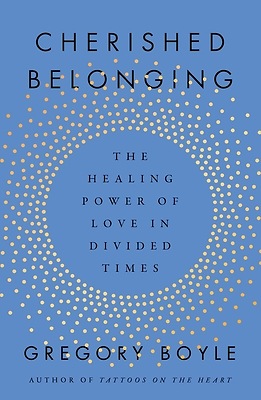
Cherished Belonging: The Healing Power of Love in Divided Times
By Gregory Boyle
Boyle calls back to Christianity’s origins as a spiritual movement of equality, emancipation, and peace. His vision of community is a space for people to join together and heal one another in a new collective living, a world dedicated to kindness as a constant and radical act of defiance. Download a Study Guide created by Duke Divinity students. More details.
Our Hearts Were Strangely Lukewarm: The American Methodist Church and the Struggle with White Supremacy
By John Elford
Discover how the White American Methodist Church became deeply entangled with White supremacy. From the founding of the church in the late eighteenth century to the present, we have too often been silent bystanders or active accomplices in the enormous harm caused by racism. More details.
Share the Dream: Shining a Light in a Divided World Through Six Principles of Martin Luther King, Jr.
By Matthew Daniels and Chris Broussard
This six-session video Bible study is based on the life and teachings of Dr. Martin Luther King, Jr. You will look at six biblical principles that shaped Dr. King’s life and motivated him to speak on behalf of African Americans in the Civil Rights Movement: love, conscience, freedom, justice, perseverance, and hope. More details.
UnMasking Racism: Coloring with Love in the Church, Community, and Academy
by Ernest S. Lyght, Michele E. Watkins, Julius E. Del Pino, and Jonathan D. Keaton
Exposing, unmasking, and/or eliminating racism are prophetic responses to God’s call. By coloring with God’s love, we take the long view. God uses our prayers, meditation, discernment, nonviolent direct action, and redemptive suffering to move our world toward a more perfect union. More details.
Online Resources
Access these free resources online to supplement your work towards anti-racism and provide resources for your church members to share.
NC Conference Anti-Racism
View scripture, updates, podcasts, and more related to anti-racism work in the NC Conference.
UMC End Racism
View resources, action items, statements, and more from The United Methodist Church.
GCORR Library
The General Commission on Religion and Race offers videos, discussion guides, online courses, worship resources, and more.
Methodist History with Racism
The General Commission on Archives and History offers this study and presentation.
View the PDF and PPT
The Pentecost Challenge
Discipleship Ministries offers these liturgical resources for the church to decenter and dismantle whiteness, colonialism, and patriarchy in Christian worship.
Sacred Worth Books
This database of children’s books from the General Board of Church & Society hopes to decrease bias, value all children as God’s creation, and ensure that children see themselves represented.

Podcasts
Learn about anti-racism while you are on the go.
Add these to your podcast feed or listen online at these websites.
Deep Reckonings
By The North Carolina Conference of The United Methodist Church
On this podcast, you’ll hear personal stories from experiences with culture, race, and racism. Hear how these experiences transformed their lives. Listen now.
Faith and Race
By The Missouri Conference of The United Methodist Church
Help for predominately white churches to host constructive dialogue about faith, race, and the church.
Listen Now.
The Unfinished Church
By Bishops LaTrelle Easterling, Michael McKee & Gregory Palmer
The Unfinished Church is for all who are ready to unite and build a world in which racial prejudice has no power. Join them as they move from conversation to action. Listen now.
Online Videos
Watch these video series and recorded webinars to learn about racism and Christianity. Share these videos with your church and community.
Anti-Racist Preaching
The NC Conference Center for Leadership Excellence hosted this Preaching WELL event featuring Rev. Lisa Yebuah and Rev. Eric Packard. Watch now.

Vital Conversations
The General Commission on Religion and Race hosts these conversations to discuss and uncover the disparities of race, ethnicity, age, and socioeconomic status that are deeply embedded in our social fabric. Watch now.
Raise Up Your Voice Against Racism
The Asian American Language Ministry Plan, the General Board of Church and Society, and the New Federation of Asian American United Methodists came together to sponsor this webinar series. Watch now.
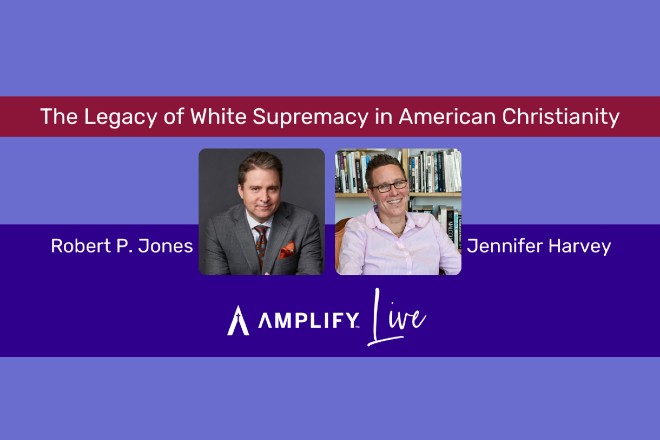
The Legacy of White Supremacy in American Christianity
Authors Robert P. Jones and Jennifer Harvey discuss why and how Christians must confront the truths of our history and present so that we might salvage our faith and our futures. Watch now. Jones also wrote this article, 7 things white Christians can do to address white supremacy at church.
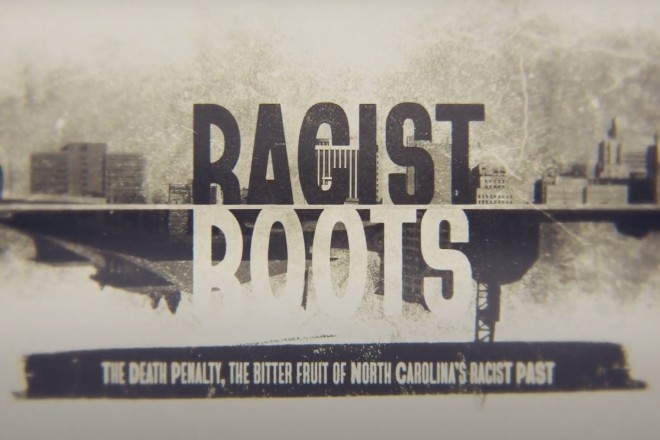
Racist Roots
This powerful 25-minute film reveals the North Carolina death penalty’s deep entanglement with slavery, lynching, and racism — and inspires people to join the movement to transform the criminal legal system. Watch now.
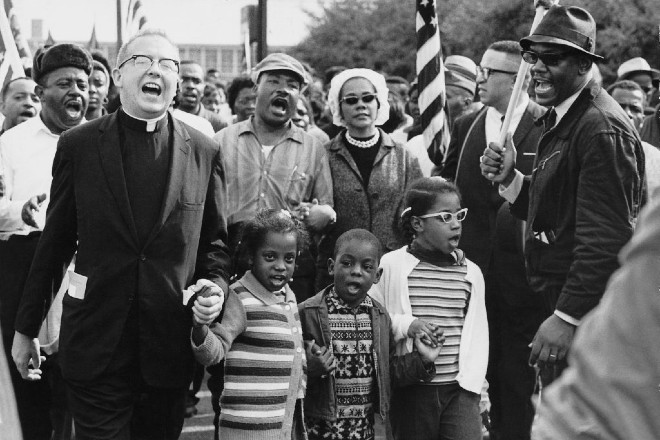
Race and Christianity
This video series and discussion guide by History Professor Sarah Ruble trace the history of race and Christianity in the United States. Watch now.
Small Group Studies
Start here with your small groups. These video-based studies connect the Bible and culture to show how Christians should respond to racism. Borrow the DVDs and accompanying leader and student books from the NC Conference Media Center, or watch the videos online with an Amplify subscription. We recommend beginning your conversations with a Conversational Covenant.
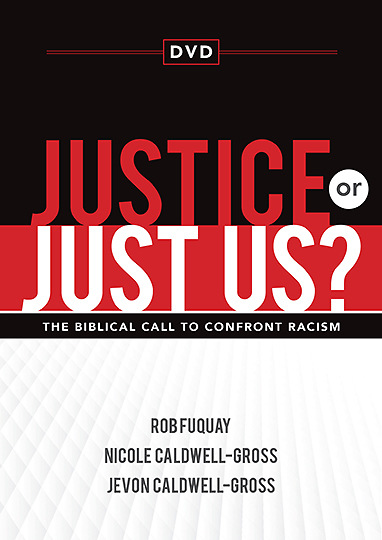
Justice or Just Us? The Biblical Call to Confront Racism
By Rob Fuquay, Nicole Caldwell-Gross, and Jevon Caldwell-Gross
Confronting racism is not just a social or political matter, but a theological one. These United Methodist pastors help you acknowledge the reality of racism in our world today, as well as our Christian responsibility to oppose it as individuals and together as the church. More details.
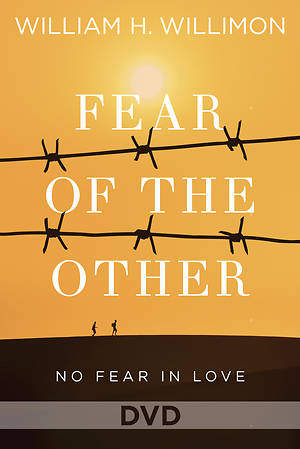
Fear of the Other: No Fear in Love
By William H. Willimon
Emphasizing the biblical mandate to receive others in their particularity and difference as gifts and mysteries bearing the grace of God, this study offers a strong critique of the privileged who all too often rush to language of reconciliation and evade the huge inequalities surrounding conversations and practices dealing with xenophobia and injustice. More details.

Dialogues On Race
Published by Sparkhouse
Seven authors present a variety of racial issues to open conversation. Each topic is packed with well-researched information but brought to life with the lived experience and stories of people at the center of the topic. Topics include the social construct of race, the Bible and race, dehumanization, Native Americans, women, the problem of racial reconciliation, and more. More details.
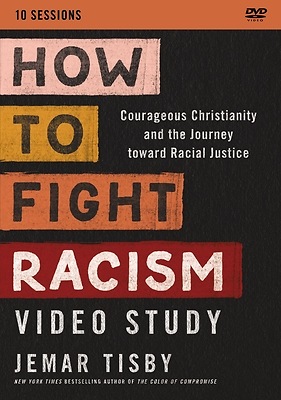
How to Fight Racism
By Jemar Tisby
By providing a series of hands-on suggestions for practice bolstered by real-world examples of change, Tisby offers viewers an array of actionable items to help them become proactive initiators of racial justice. It also provides a simple framework to help viewers consistently interrogate their own actions and maintain a posture of anti-racist action. More details.
Daily Devotions
Enhance or extend your small-group studies with these daily devotional books. Use the devotions to open or close your group meeting or offer a weekly study where group members discuss their experiences engaging with the daily devotions.
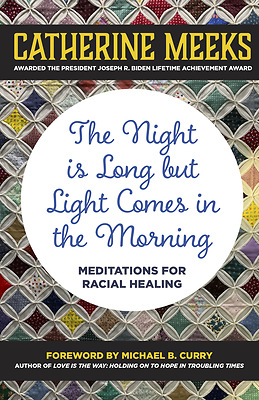
The Night is Long but Light Comes in the Morning: Meditations for Racial Healing
By Catherine Meeks
A spiritual guide to restoring yourself from racial trauma and committing to the long work of dismantling racism. With personal stories and thoughtful direction, Meeks takes the reader on the trajectory from self-awareness to recognition of the past to a new and individual way forward. More details.
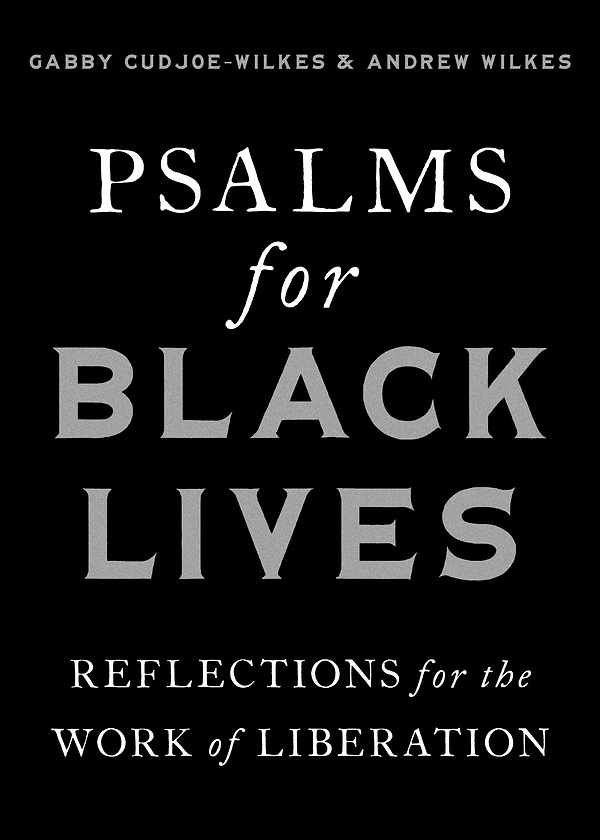
Psalms for Black Lives: Reflections for the Work of Liberation
By Gabby Cudjoe-Wilkes & Andrew Wilkes
This book includes thirty devotions, each containing a psalm, a reflection, and an invitation for the reader to develop a justice imagination through further engagement with the text. It also includes daily discussion questions to support small-group study and a guide for congregational and community groups who want to embody the words of the Psalms together. More details.
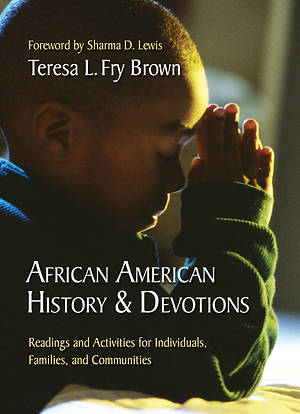
African American History & Devotions: Readings and Activities for Individuals, Families, and Communities
By Teresa L. Fry Brown
Within these 28 devotions, you’ll discover new ways to celebrate your heritage, deepen your faith, and build stronger communities. A Scripture verse, a reflection on the Scripture, a prayer, and related activities are included for each day and are perfect for use by families and groups as well for individual devotion. More details.
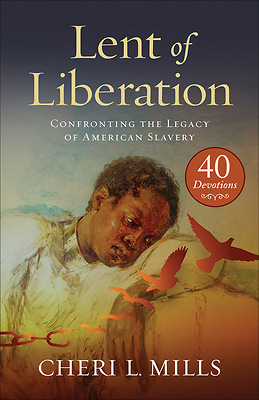
Lent of Liberation: Confronting the Legacy of American Slavery
By Cheri L. Mills
Each of these forty devotions for Lent includes the testimony of a person who escaped slavery through the Underground Railroad, a Scripture passage, and a reflection connecting biblical and historical themes to challenge modern readers to work for liberation. More details.
Books for Discussion
These books present Christian perspectives on issues related to race and the experiences of people of color. Offer these selections for new or established book clubs, online small groups, or a churchwide conversation. We recommend beginning your conversations with a Conversational Covenant.
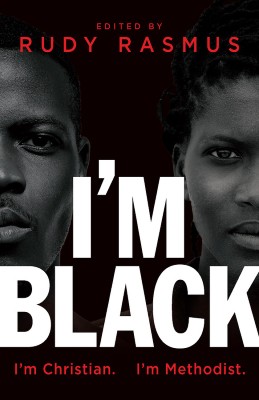
I’m Black. I’m Christian. I’m Methodist.
Edited by Rudy Rasmus
Ten Black women and men explore life through the lens of compelling personal religious narratives. They are people and leaders whose lives are tangible demonstrations of the power of a divine purpose and evidence of what grace really means in face of hardship, disappointment, and determination. More details.
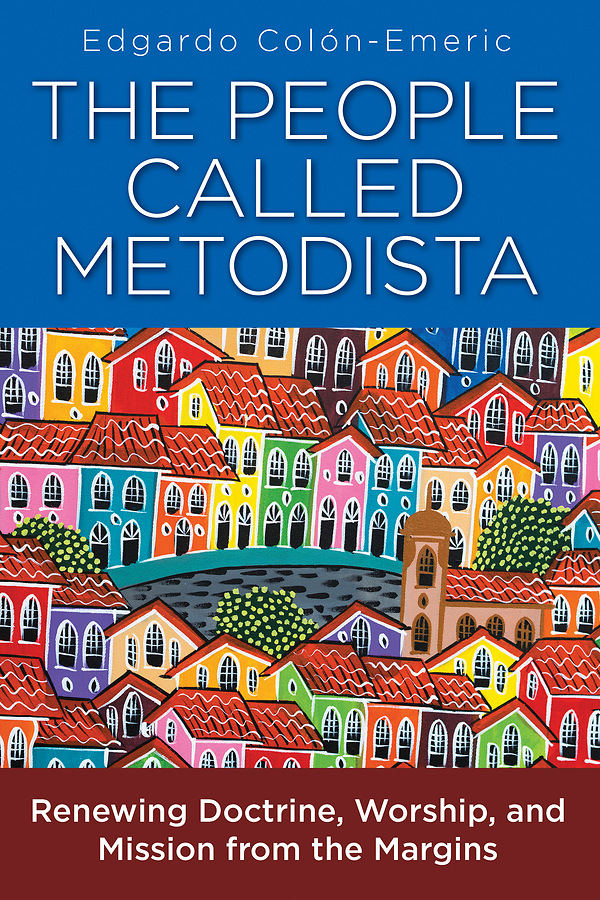
The People Called Metodista: Renewing Doctrine, Worship, and Mission from the Margins
By Edgardo Colón-Emeric
This book tests whether renewal of doctrine, worship, and mission can happen by looking to the experience of Methodists in LatinX and Latin American ecclesial contexts. The people called metodistas share in the fundamental calling to reform the church universal in its mission to the world. More details.
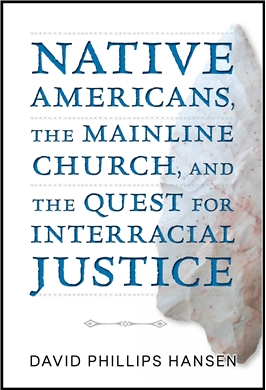
Native Americans, the Mainline Church, and the Quest for Interracial Justice
By David Phillips Hansen
Using faith as a weapon against the darkness of injustice, this book will change the way you view how we must solve the pressing problems of racism, poverty, environmental degradation, and violence, and it will remind you that faith can be the leaven of justice. More details.
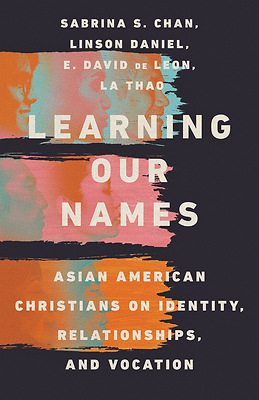
Learning Our Names: Asian American Christians on Identity, Relationships, and Vocation
By Sabrina S. Chan, Linson Daniel, E. David de Leon, and La Thao
A team from East Asian, Southeast Asian, and South Asian backgrounds explores what it means to learn our names and be seen by God. They encourage us to know our history, telling diverse stories of the Asian diaspora in America who have been shaped and misshaped by migration, culture, and faith. More details.
Learn the History
Go deeper as you educate yourself and your church about the history and experiences of people of color in the United States. Use these resources to follow up on your beginning studies and invite deeper conversation.
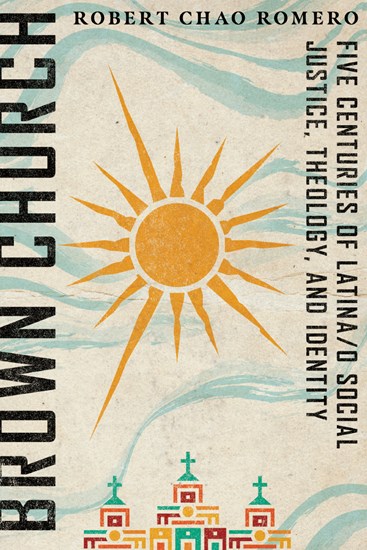
Brown Church: Five Centuries of Latina/o Social Justice, Theology, and Identity
By Robert Chao Romero
Walking through this history of 500 years of activism and faith, readers will discover that Latina/o Christians have a heart after God’s own. More details.
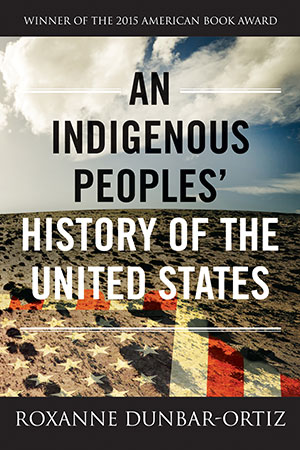
An Indigenous Peoples’ History of the United States
By Roxanne Dunbar-Ortiz
This history of the United States told from the perspective of Indigenous peoples is an essential resource providing historical threads that are crucial for understanding the present. More details.
Disciplined by Race: Theological Ethics and the Problem of Asian American Identity
By Ki Joo Choi
This book reveals the critical importance of Asian American experience for contemporary theological debates on race. More details.
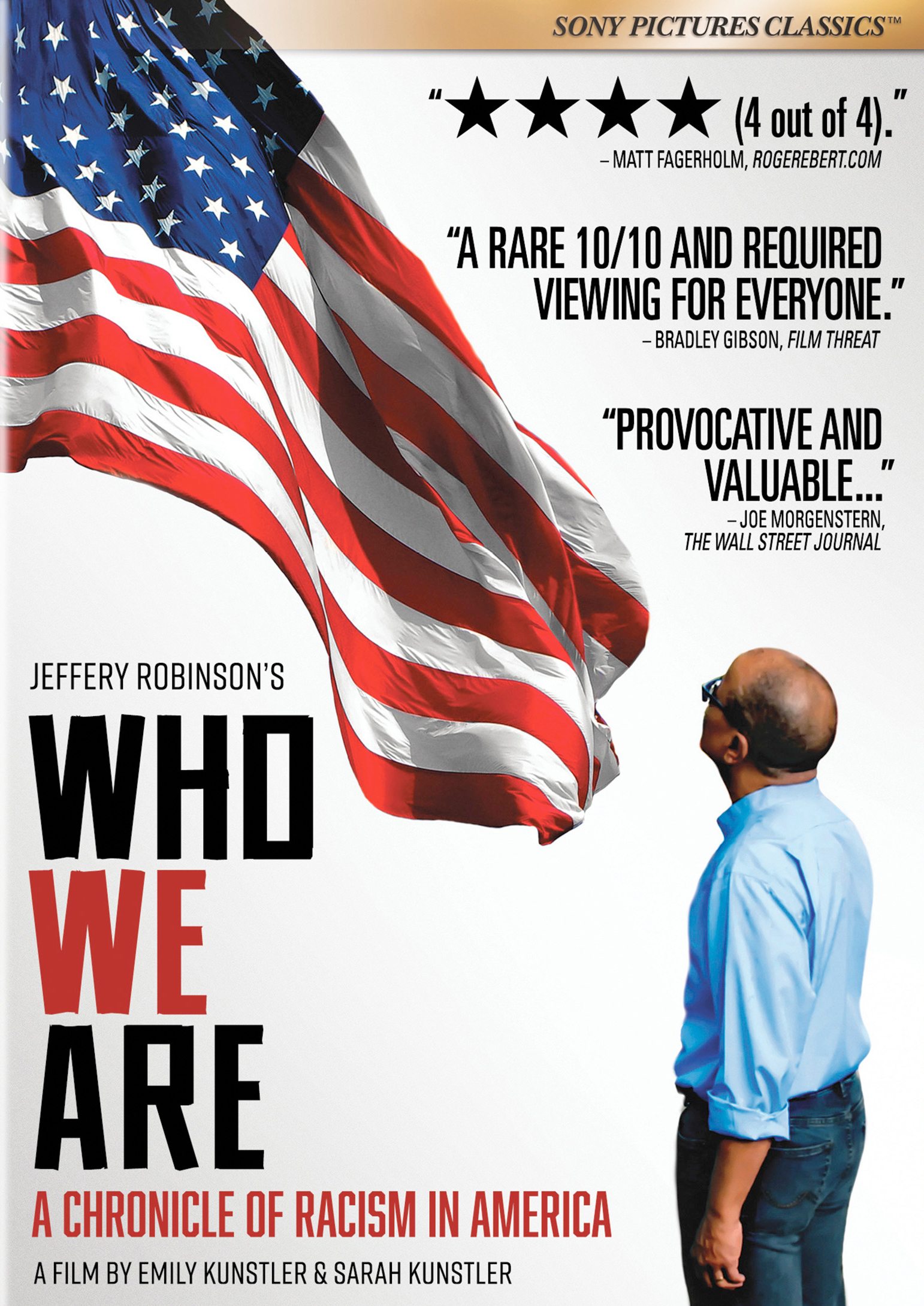
Who We Are: A Chronicle of Racism in America
An Off Center Media Production
Interweaving lecture, personal anecdotes, interviews, and shocking revelations, Jeffery Robinson draws a stark timeline of anti-Black racism in the U.S., from slavery to the modern myth of a post-racial America. More details.
Learn UMC History
United Methodists need to understand the complex history of our church and its relationship to people of color. Use these resources to gain a clearer understanding of how we got to where we are today.
When the Church Woke
By William B. Lawrence
The United Methodist Church is a product of a long history of racism and white supremacy. This book identifies this sin and offers an innovative look at the mission of the church, based on biblical witnesses to new life with the resurrection. It offers proposals for reparations and renewal that will come when the church woke. More details.
Our Hearts Were Strangely Lukewarm: The American Methodist Church and the Struggle with White Supremacy
By John Elford
Discover how the White American Methodist Church became deeply entangled with White supremacy. From the founding of the church to the present, we have too often been silent bystanders or active accomplices in the enormous harm caused by racism. More details.
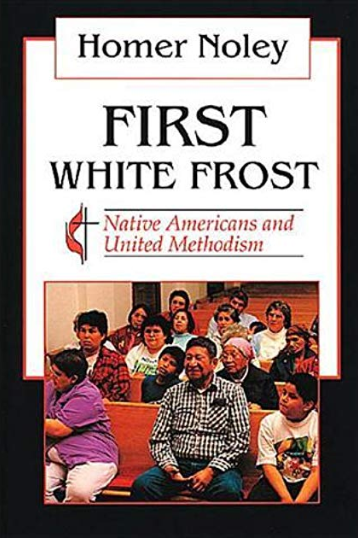
First White Frost: Native Americans and United Methodism
By Homer Noley
The history of the Methodist’s attempt to evangelize Native Americans is riddled with spectacular failures and dramatic successes. In this account, Homer Noley helps you gain new insights and a richer understanding of Methodist missionary activities with Native Americans from the 1600s. More details.
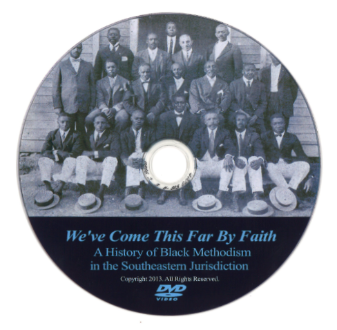
We’ve Come This Far By Faith: A History of Black Methodism in the Southeastern Jurisdiction
By The African American Methodist Heritage Center
This 32-minute DVD documentary captures the history of Black Methodism in the Southeastern Jurisdiction of The United Methodist Church. More details.
Study the Theology
Learn to approach theology from the perspective of the marginalized. Let these books provide a broader framework for your own understanding of Christian theology.
Asian Case Studies on Translating Christianity: Toward God’s Self-Communication and the Trinitarian End of Asian Theology
By Heejun Yang
Yang posits the Triune God as both the starting and ending points of the Christian hermeneutic process and claims that this understanding can be a way for the church to embrace different Christian communities while moving forward in their own unique complexities. More details.
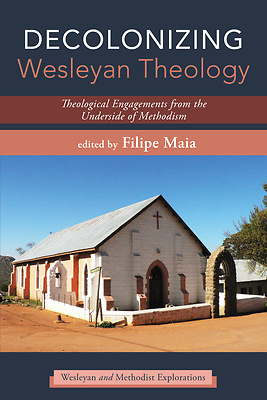
Decolonizing Wesleyan Theology: Theological Engagements from the Underside of Methodism
Edited by Felipe Maia
This book shows how decolonial voices are reshaping the contours of Methodist and Wesleyan traditions. Contributors to this volume include theologians, pastors, and leaders in the Global South who are leading the people called Methodists to encounter the tradition anew in the radical spirit of decolonization. More details.
The Christian Imagination: Theology and the Origins of Race
By Willie James Jennings
Jennings delves deep into the late medieval soil in which the modern Christian imagination grew to reveal how Christianity’s highly refined process of socialization has inadvertently created and maintained segregated societies. This book shows how Christianity has consistently forged Christian nations rather than encouraging genuine communion between disparate groups and individuals. More details.
Handbook of Latina/o Theologies
Edited by Edwin David Aponte and Miguel A. De La Torre
This book explores the varied theological, ecclesiastical, spiritual, and cultural expressions associated with the term “Latino/a or Hispanic theology.” There is no single definition of Hispanic/Latino theology, but rather a multiplicity of perspectives within the diverse Latino/a communities that articulate a distinctive and relevant Hispanic viewpoint. More details.
Understand Bias
Help your church understand that we all carry hidden biases from a lifetime of exposure to cultural attitudes about age, gender, race, ethnicity, religion, social class, sexuality, disability status, and nationality. Yet, we strive to align our behavior with our intentions. Learn how we can be vulnerable to bias and offer tools to address it.
Host a Conversation
Open up a conversation about racism with your whole church and beyond to your community. These resources will provide you with what you need to lead with confidence and humility. We also recommend beginning your conversations with a Conversational Covenant.
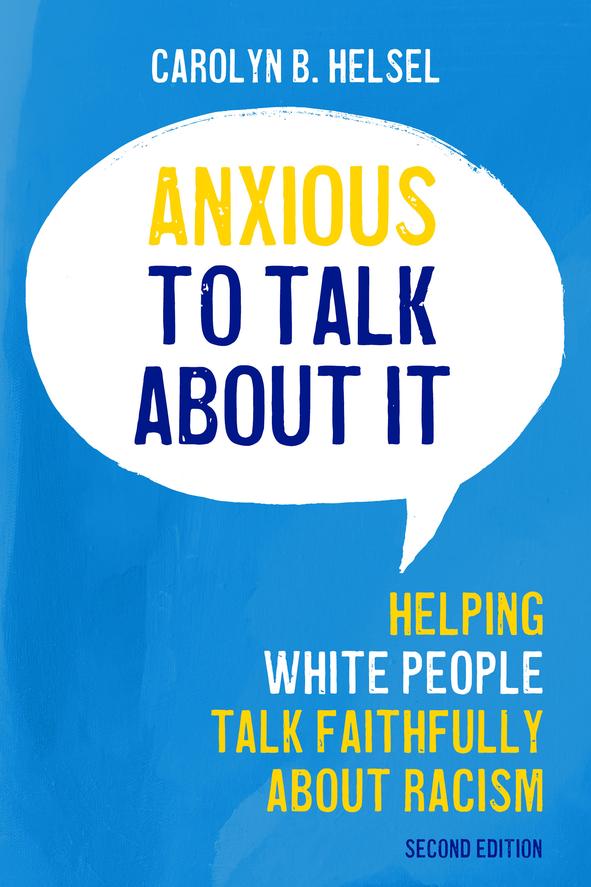
Anxious to Talk About It: Helping White People Talk Faithfully About Racism
By Carolyn B. Helsel
Guilt, shame, discomfort, fear of being called a racist or saying the wrong thing are just some of the feelings that hold us back from the critical conversations happening around racism and racial equity today. Use this second edition to get better at having the hard conversations about racism. More details.

Holding Up Your Corner: Talking about Race in Your Community
By F. Willis Johnson
Discover this self-directed process of determining what role your church can play in your specific community. Learn how to use testimony and other narrative devices, proclamation, guided group conversations, and other tactics in order to own the calling and responsibility we have as Christians. More details.
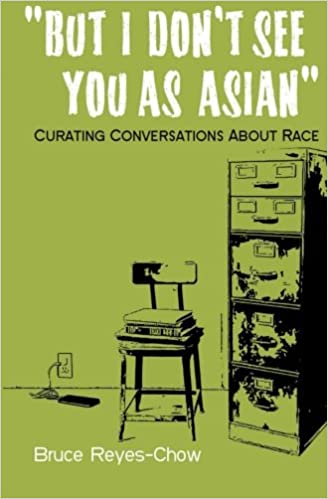
“But I Don’t See You as Asian”: Curating Conversations about Race
By Bruce Reyes-Chow
Sitting in the sweet spot between lectures in academia and activism on the streets, Bruce invites readers into a salon-type of atmosphere to talk about race. He puts his own joys and struggles on the table for dissection and discovery in the hopes that people will reconsider their assumptions about race. More details.
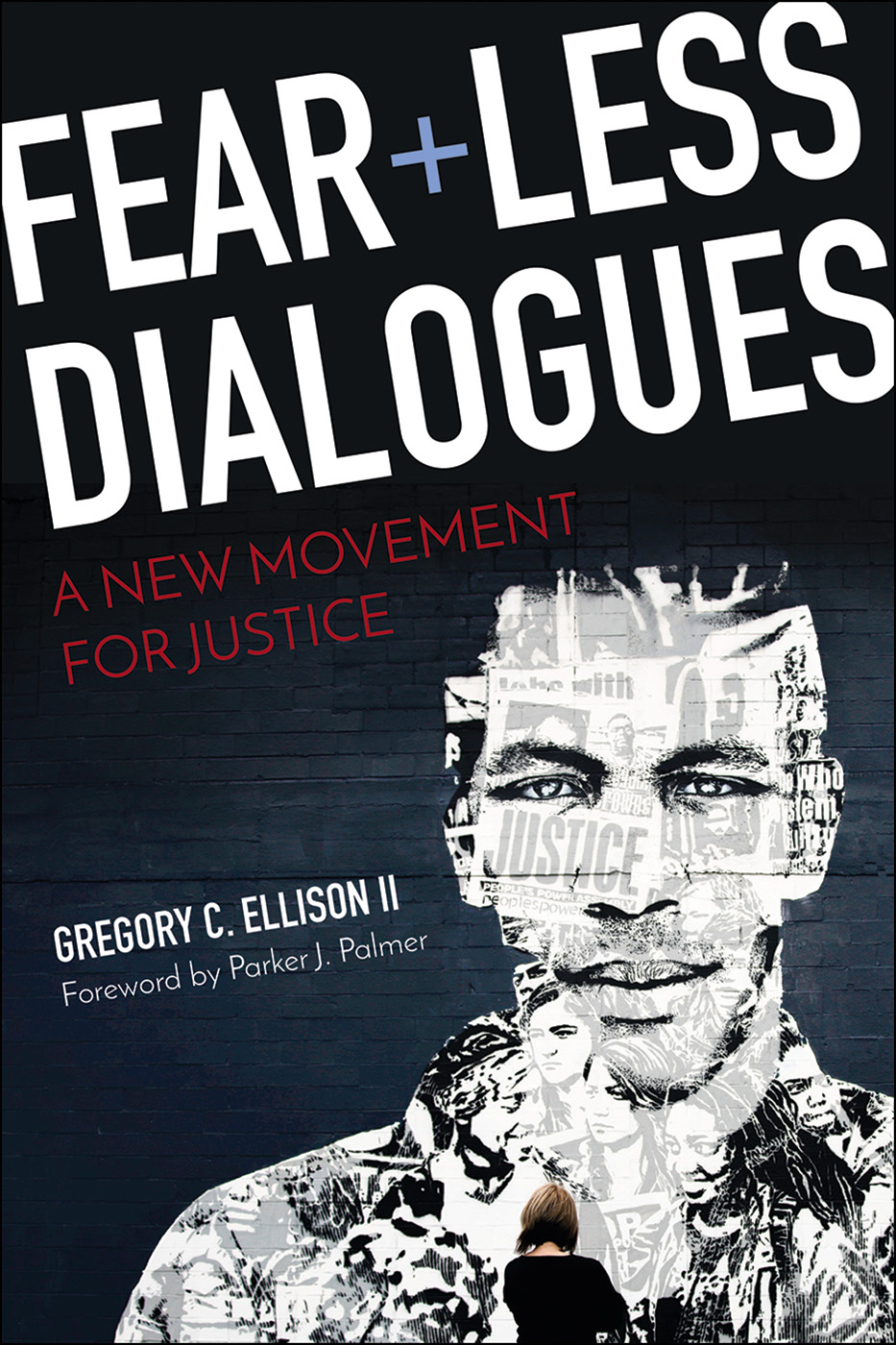
Fearless Dialogues: A New Movement for Justice
By Gregory C. Ellison II
Ellison and his team create conversations among community members who have never spoken to one another, the goal of which are real, implementable, and lasting changes to the life of the community. These community transformations are based on both face-to-face encounter and substantive analysis of the problems the community faces. More details.
Build Relationships
Building relationships with people from different ethnic groups can be edifying and rewarding when there is the intention to put in the work. Use these books to take concrete steps towards building multicultural relationships.
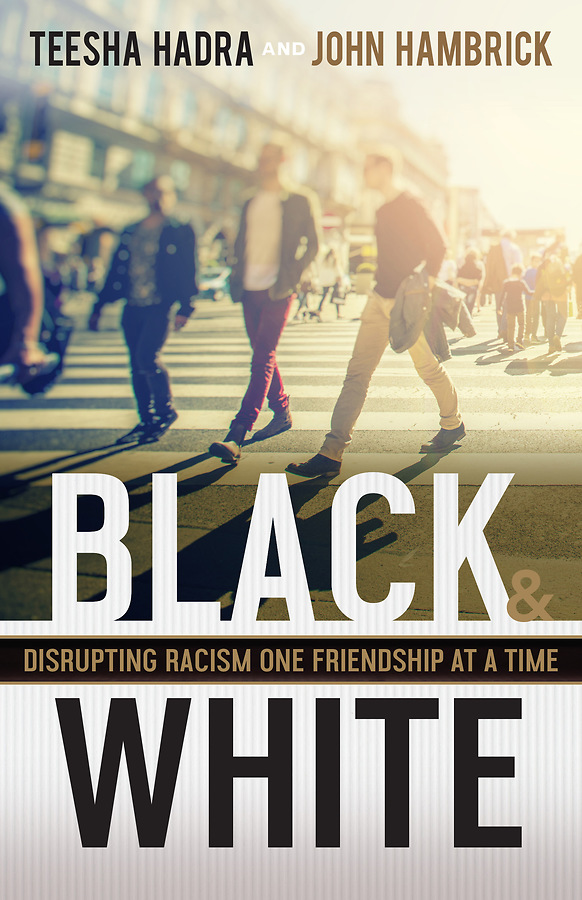
Black & White: Disrupting Racism One Friendship at a Time
By Teesha Hadra and John Hambrick
Teesha Hadra, a young African American woman, and John Hambrick, a 60-year-old white man, use their story of friendship to show how racism can be disrupted when we risk forging friendships with those who do not look like us. More details.
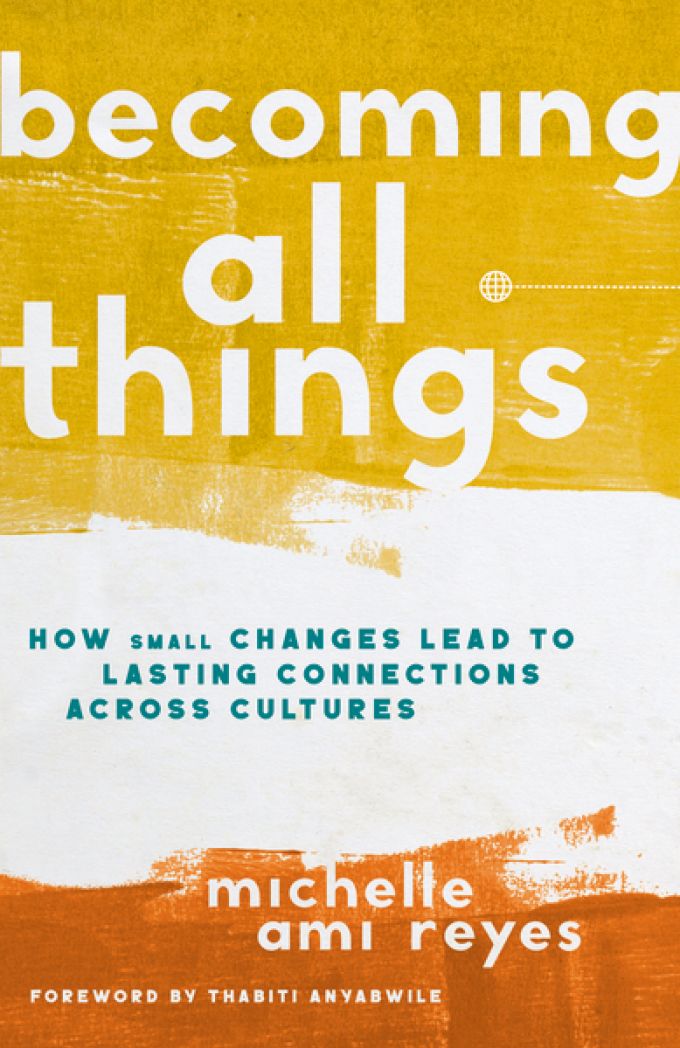
Becoming All Things: How Small Changes Lead to Lasting Connections Across Cultures
By Michelle Ami Reyes
Reyes focuses on the concept of cultural accommodation in 1 Corinthians 9:19-23, and looks at the ways in which we need to adapt who we are in order to become all things to all people. More details.
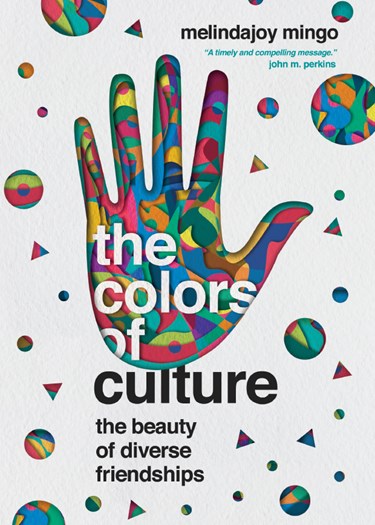
The Colors of Culture: The Beauty of Diverse Friendships
By MelindaJoy Mingo
We must risk everything that we think we know about other cultures to initiate small steps toward befriending others. Mingo models reaching across cultures. Through vivid stories spanning several countries, she shows the beauty of diverse friendships in her life. More details.
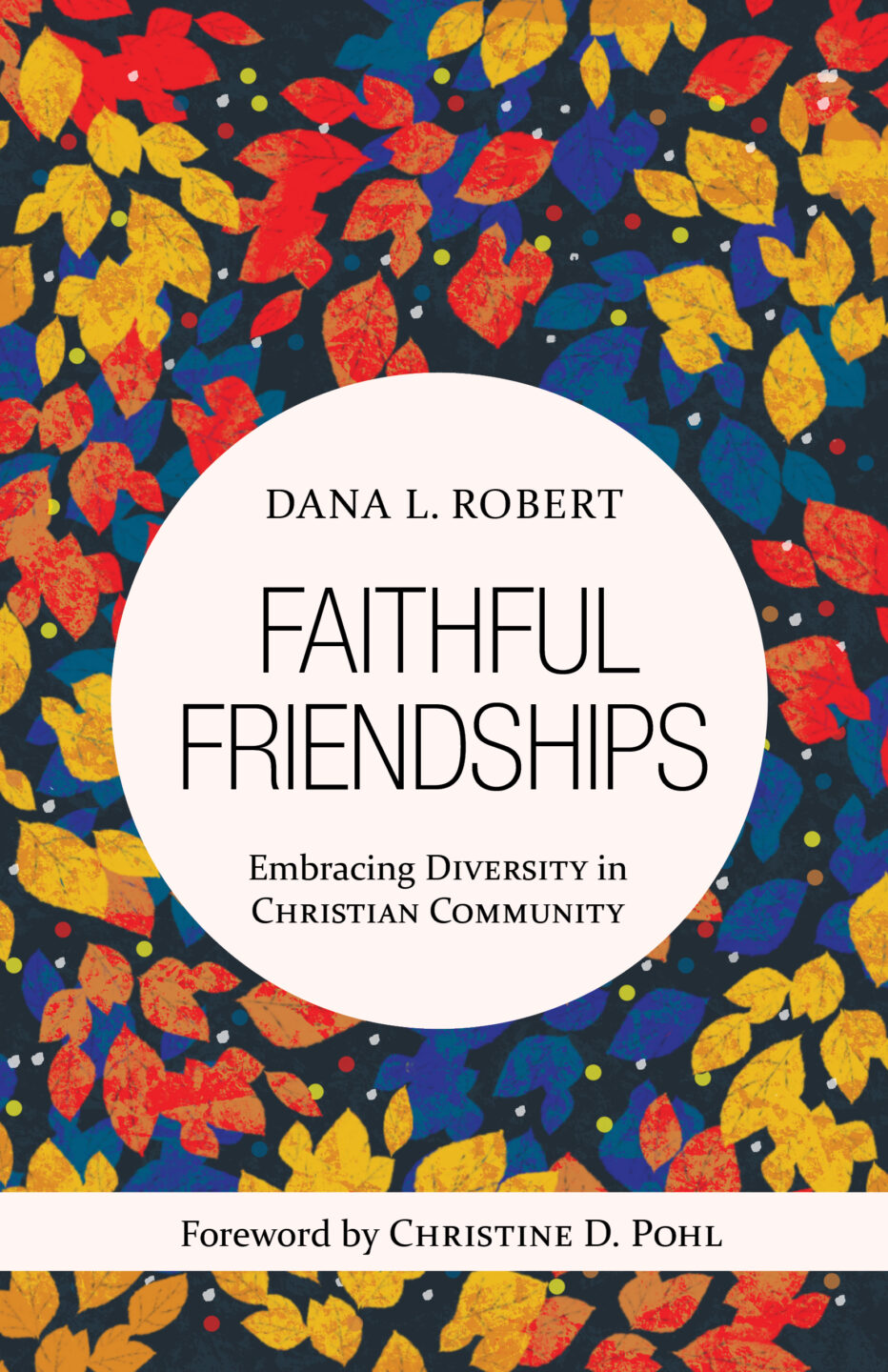
Faithful Friendships: Embracing Diversity in Christian Community
By Dana L. Robert
Robert tells the stories of Christians who, despite or even because of difficult circumstances, experienced friendship with people unlike themselves as “God with us,” as exile, as testimony, and as celebration. She believes Christians have the responsibility—and opportunity—to be countercultural by making friends across lines that separate people from each other. More details.
Take Action
Conversation and education can lead to advocacy and justice work. These resources offer action steps for your church as a whole, its leadership, and its individual members.
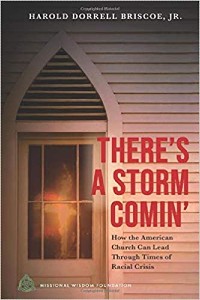
There’s a Storm Comin’: How the American Church Can Lead Through Times of Racial Crisis
By Dr. Harold Dorrell Briscoe Jr.
Dorrell makes the case that the church must take proactive measures to prepare for racialized crises. Then, he gives churches practical steps to prepare for and respond to these crises that inflict trauma on the social fabric of America. More details.
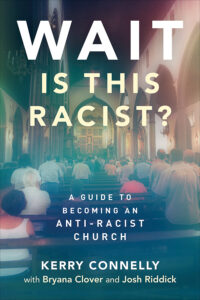
Wait – Is This Racist? A Guide to Becoming an Anti-Racist Church
By Kerry Connelly with Bryana Clover and Josh Riddick
A “Be-It-Yourself” guide to anti-racism for churches and church leaders. This book guides church leaders and staff through an examination of all aspects of church life to help churches create an action plan that will take them toward not only becoming anti-racist but also actually doing anti-racist work. More details.
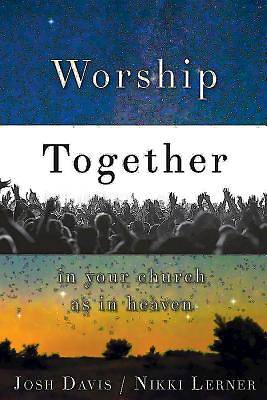
Worship Together in Your Church as in Heaven
By Josh Davis and Nikki Lerner
How can we offer worship that is authentic and engaging for all of God’s people, including longtime church members? The authors offer an empathetic, step-by-step approach, providing readers with knowledge, skills, and strategies to successfully introduce inclusive, multicultural worship in any setting. More details.
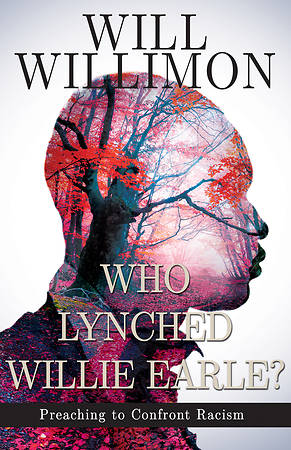
Who Lynched Willie Earle? Preaching to Confront Racism
By Will Willimon
How do pastors of white, mainline Protestant churches preach effectively in situations of racial violence and dis-ease? This book uses the true story of pastor Hawley Lynn’s 1947 sermon, a response to the last lynching in Greenville, South Carolina, to help pastors preach on race and violence in America, inviting and challenging the church to respond. More details.
For Youth & Youth Leaders
Help youth to learn about other cultures and the impact of racism in our society. Use these resources to engage pre-teens and teenagers in stories that they can relate to at this stage of life.
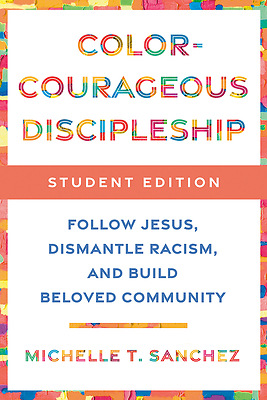
Color-Courageous Discipleship Student Edition: Follow Jesus, Dismantle Racism, and Build Beloved Community
By Michelle T. Sanchez
Teens will discover a Christ-centered approach to antiracism that will empower them to be transformed as they transform their world—with end-of-chapter discussion questions for families and youth groups. An adult version is also available. More details.
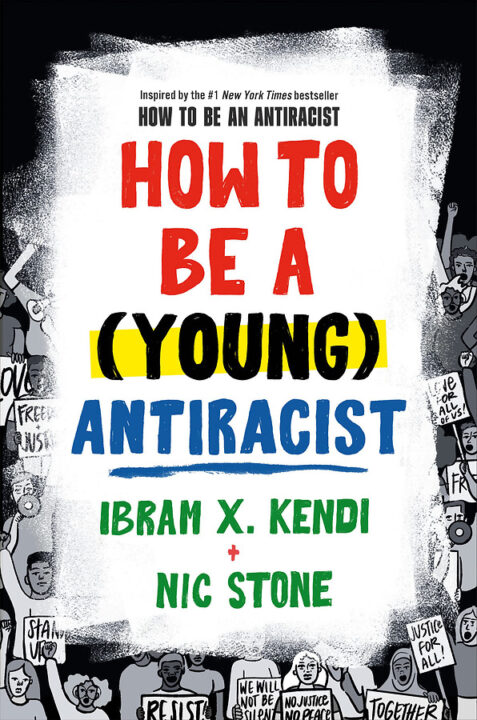
How to Be a (Young) Antiracist
By Ibram X. Kendi and Nic Stone
Aimed at readers 12 and up, this book empowers teen readers to help create a more just society. Kendi and Stone have revised this work to provide anecdotes and data that speak directly to the experiences and concerns of younger readers, encouraging them to think critically and build a more equitable world in doing so. An accompanying workbook is also available. More details.
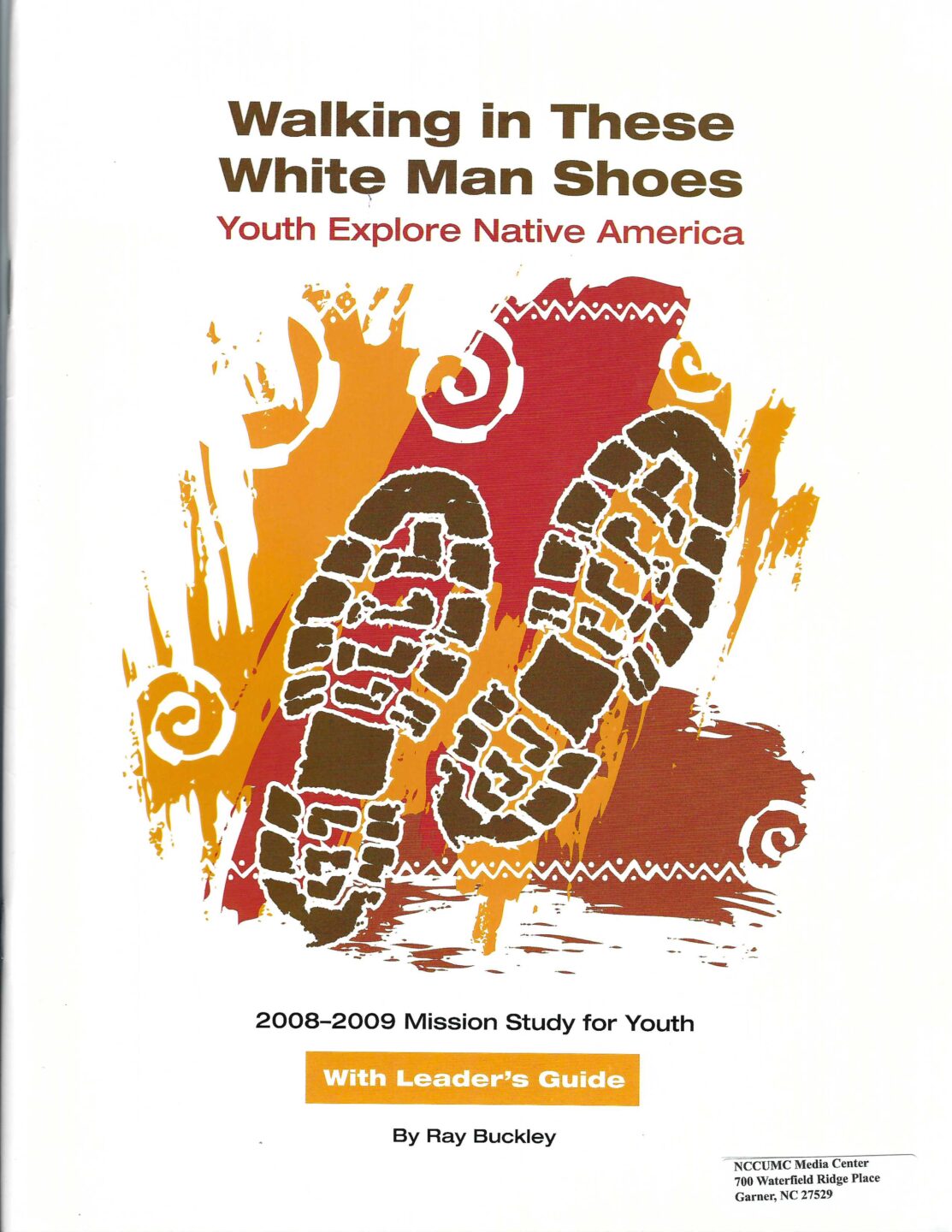
Walking in These White Man Shoes: Youth Explore Native America
By Ray Buckley
This mission study includes narratives of the history of what is now the United States told from a Native American perspective. Participants learn of the Native experience of trying to live in two worlds, one of which didn’t quite fit. Buckley also wrote a children’s version of this study, Creator Sang a Welcoming Song: Native America for Children. More details.
Church in Color: Youth Ministry, Race, and the Theology of Martin Luther King Jr.
By Montague R. Williams
Williams unearths and examines the realities of race in multiracial and multiethnic youth ministries in the United States. Consider the stories of young people in three distinct congregations and witness their longing for a Christian discipleship that grapples with rather than avoids race. More details.
Lead the Children
Learn why we need to talk with children about race and how to do it. These resources are useful for parents, caregivers, and children’s ministry leaders.
The ABCs of Diversity: Helping Kids (and Ourselves!) Embrace Our Differences
By Carolyn B. Helsel & Y. Joy Harris-Smith
This book equips parents, teachers, and community leaders to address children of all ages on complicated topics of race, political affiliation, gender, class, religion, ability, nationality, and sexual orientation. More details.
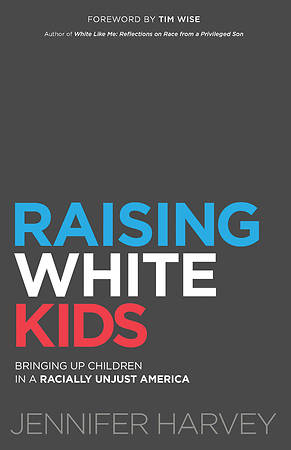
Raising White Kids: Bringing Up Children in a Racially Unjust America
By Jennifer Harvey
How are we supposed to talk to children about race? This book helps parents, teachers, and churches enter into a dialogue about the impact of racism on our children and offers guidance for sharing our commitment to equity and justice. More details.
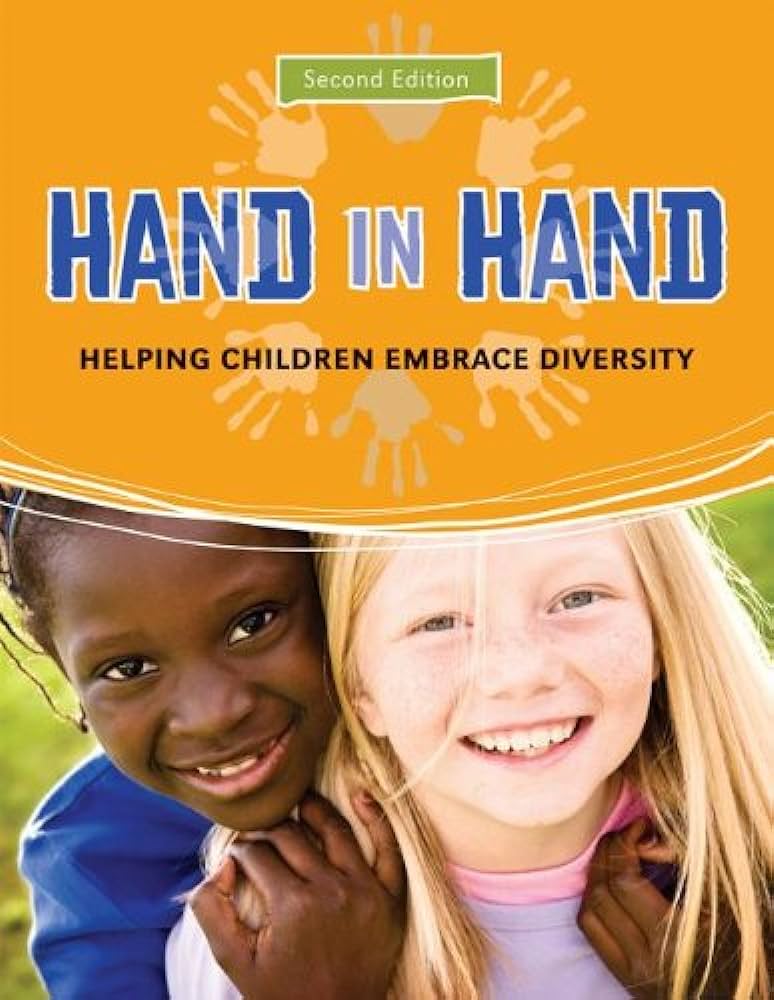
Hand in Hand: Helping Children Embrace Diversity
Published by Faith Alive Christian Resources
Help children in grades K-6 learn to appreciate and celebrate the diversity in God’s family with this flexible five-session course. Sessions address issues of differences, prejudice, inclusion, unity, and how to celebrate diversity. More details.
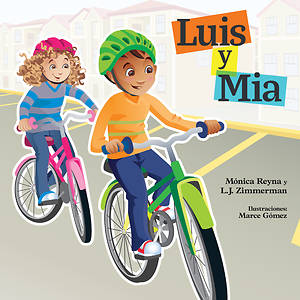
Luis y Mia / Mia and Luis
By Mónica Reyna and L.J. Zimmerman
This flip-over book tells the story of a cross-cultural friendship from each child’s perspective. It will help children ages 6-9 understand the importance of showing love to people who are different, apologizing when you’re wrong, forgiving one another, and making everyone feel welcome. Both stories are in English and Spanish. More details.
Teach the Children
These faith-based teaching tools and curricula are designed to teach children the value of anti-racism. Plan to use these in your ministries with elementary-aged children.
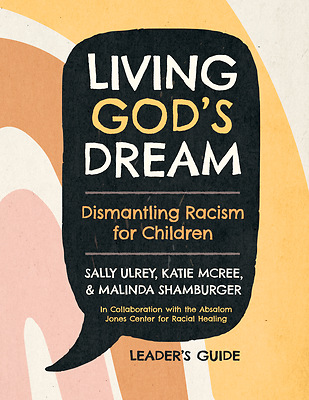
Living God’s
Dream: Dismantling Racism for Children
By Sally Ulrey, Katie McRee & Malinda Schamburger
This 5-session formation curriculum is designed to help K-5 children understand their own belovedness and the belovedness of their neighbors. Encouraging children to action, service & relationships, it helps children resist ideas that treat others as outsiders. More details.
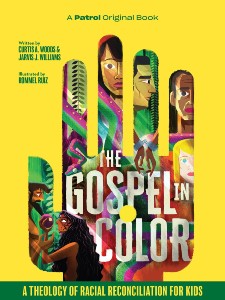
The Gospel in Color: A Theology of Racial Reconciliation for Kids
By Curtis A. Woods and Jarvis J. Williams
With vibrant illustrations and engaging text, this book explains how a false idea of race brings about suffering and division, and why the good news of Jesus Christ brings about the reconciliation the world needs. A Parent’s Guide is also available. More details.
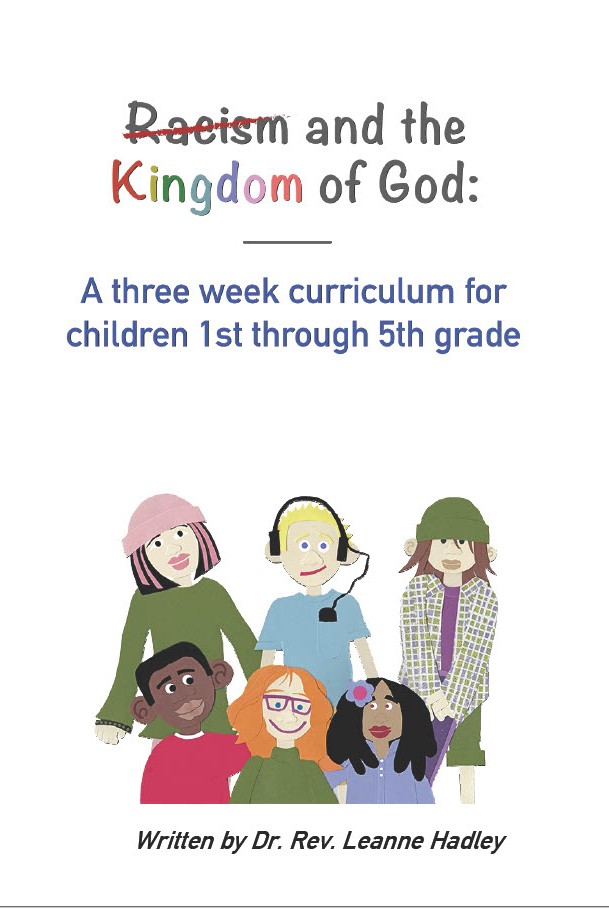
Don’t Forget:
A Video Book for Kids about Racism
and the Kingdom of God
By Leanne Hadley and Leah Barner Foster
United Methodist Pastor Leanne Hadley created this free video book and 3-session PDF curriculum to teach children about anti-racism. It is one of the resources from her ministry, A Time with Children. More details.
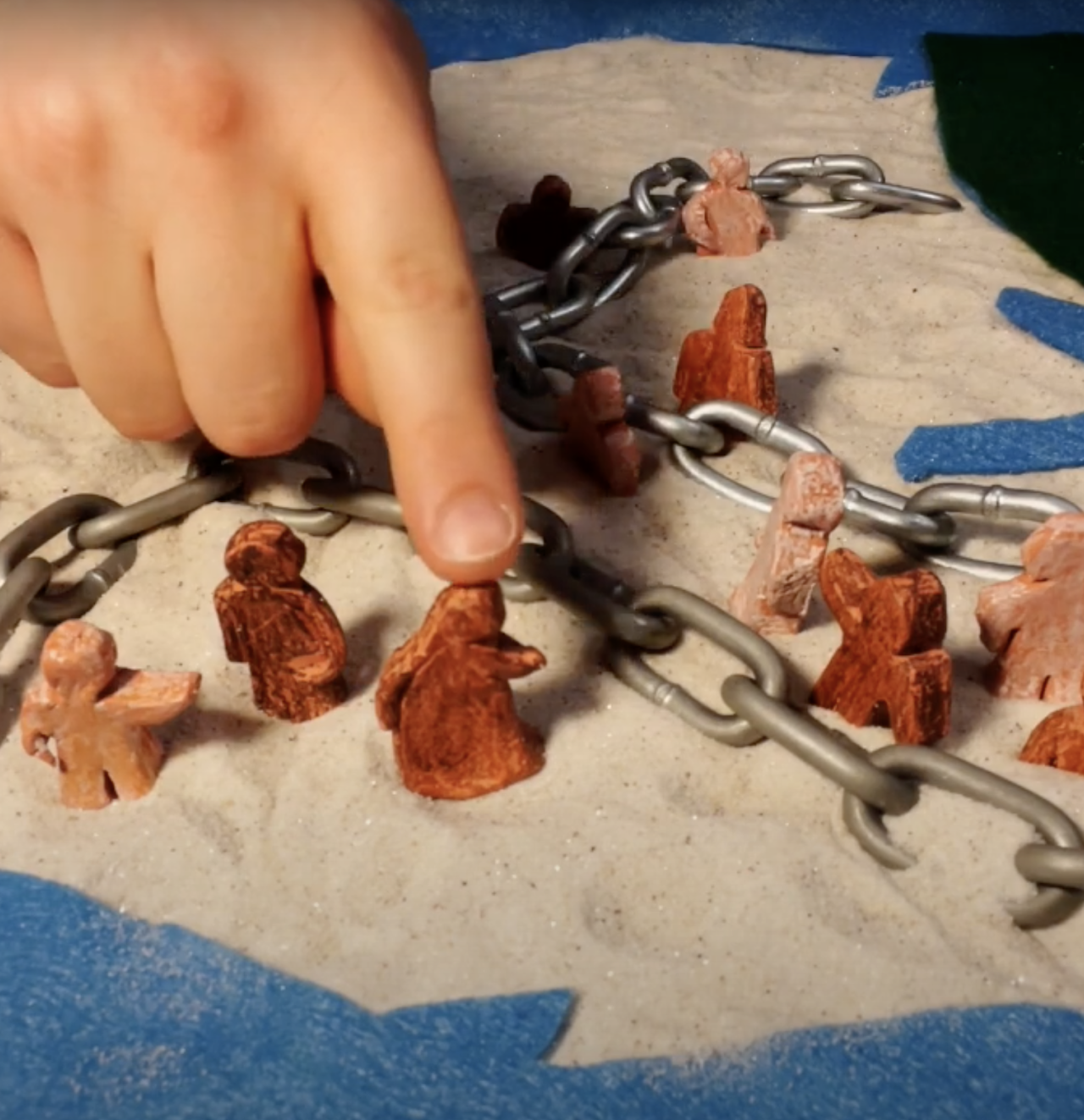
Tell Me the Truth About Racism
By Jennifer Holt Enriquez and William Bouvel
This story frames racism through the lens of Christian faith for children as young as 5. Because of the Truth we know from God, that all people are equally children of God, we can clearly frame racism as a lie about our identity. Training helps teachers adapt the core story of “The Lie that caused Racism” to their specific contexts. More details.
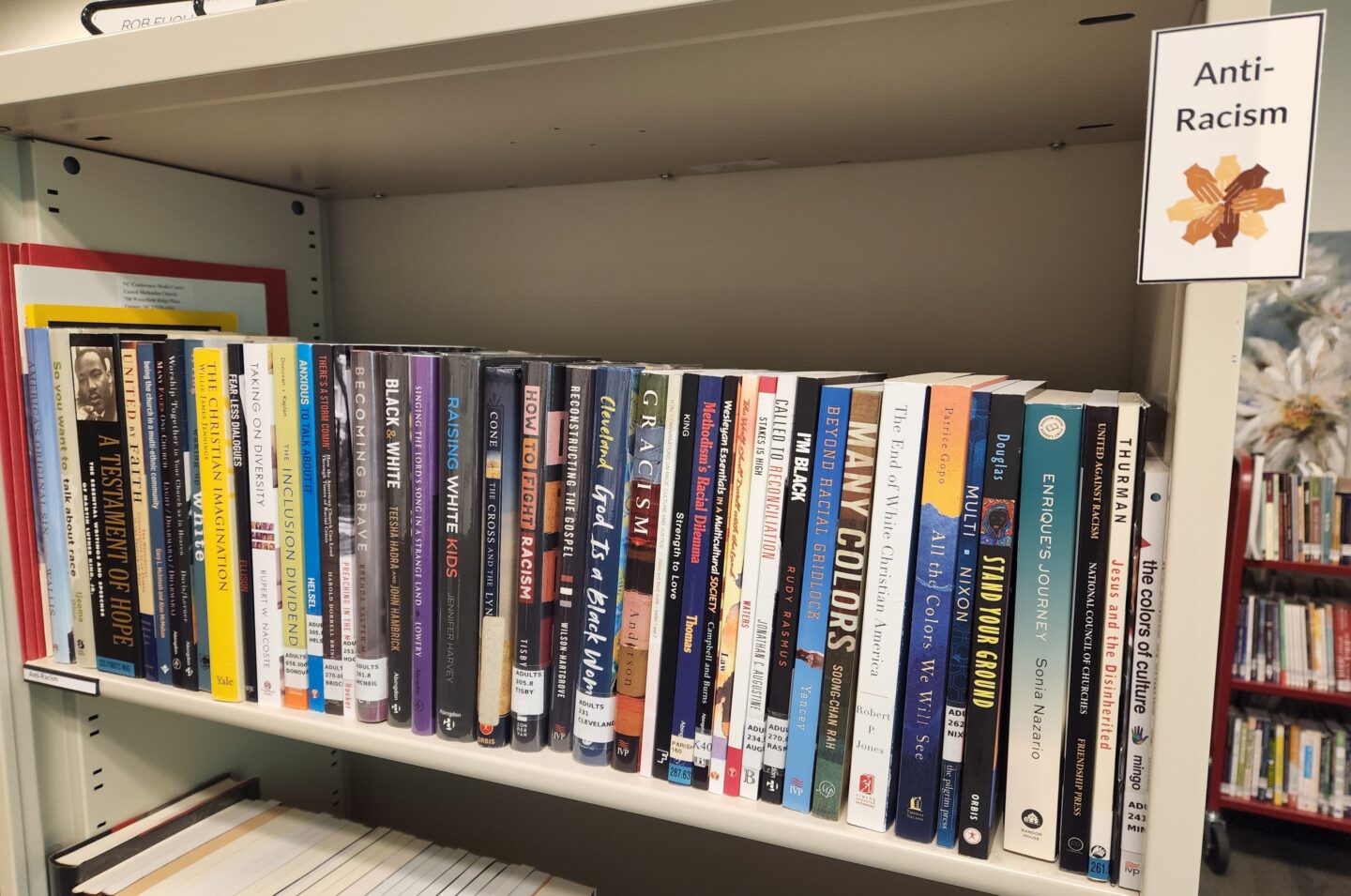
Borrow These Resources
The NC Conference Media Center can loan you the resources listed here through the mail. Anyone involved with a United Methodist Church in the North Carolina Conference can borrow these resources, free of charge.
More resources are recommended here:
More resources you can borrow from the Media Center: