


When load shedding, introduced over the past two years, led to frequent electricity blackouts in the eastern part of Zimbabwe, Jose Tenete Domingos Lumboa and fellow students at Africa University had to deal with learning disruptions.
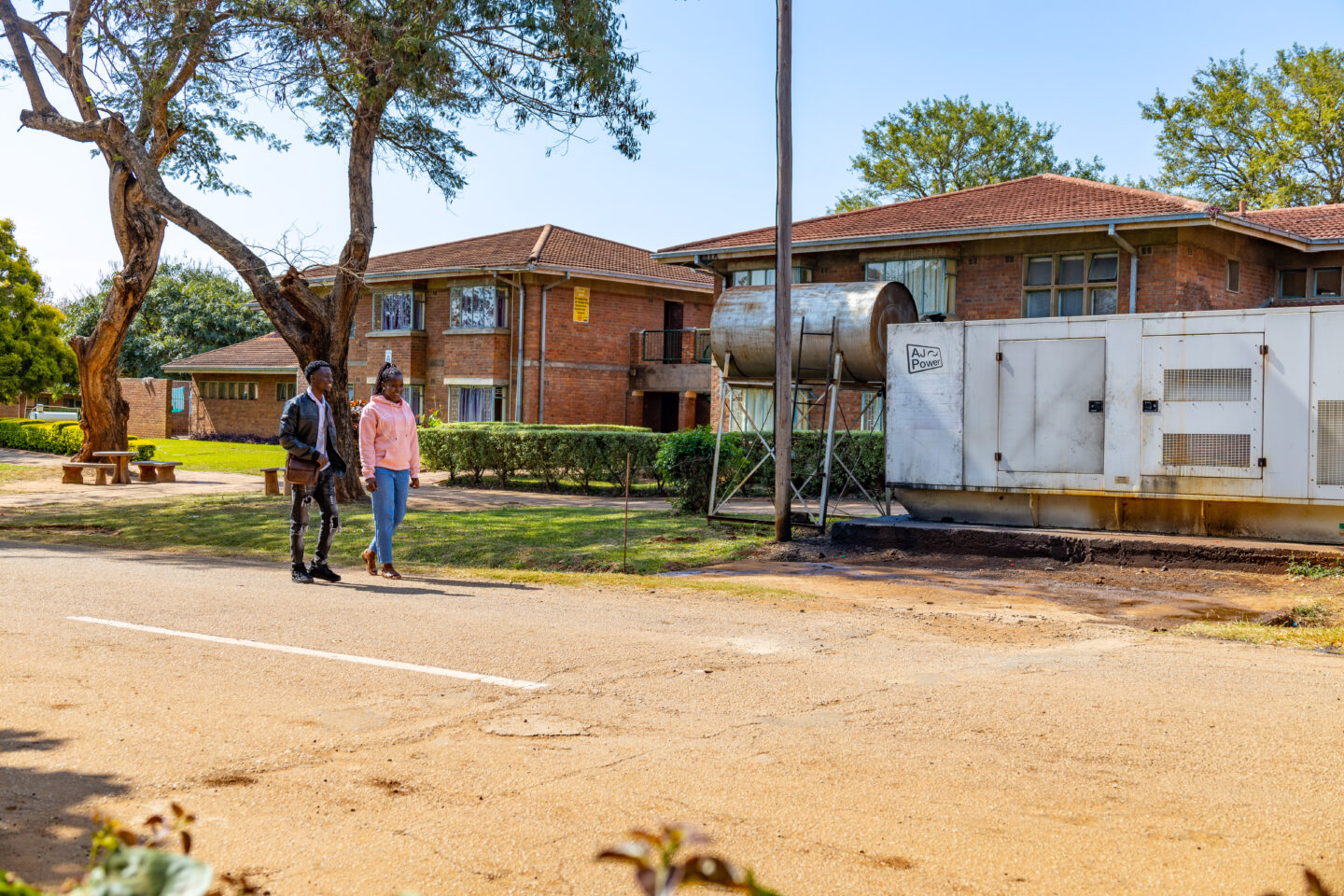
The university responded to these scheduled outages, known as load shedding and meant to manage the demand for electricity from the national grid, with backup generators. However, that response brought its own set of challenges for the students and the university administration alike.
Apart from the noise and air pollution from the diesel-powered generators, the backup system did not run the whole night, and it was expensive.
“It was disruptive,” says Lumboa, a 26-year-old from Angola, who is studying Education at United Methodist-related Africa University.
“You have an assignment due, and you are still researching online and if the electricity goes off, you cannot meet the deadline.”
Lumboa is lucky not to have missed the deadline for any of his assignments but says most of his fellow students have been missing deadlines due to rolling power cuts.
A new solar mini-grid at AU, just outside Zimbabwe’s third-largest city of Mutare, is changing the lives of students like Lumboa.
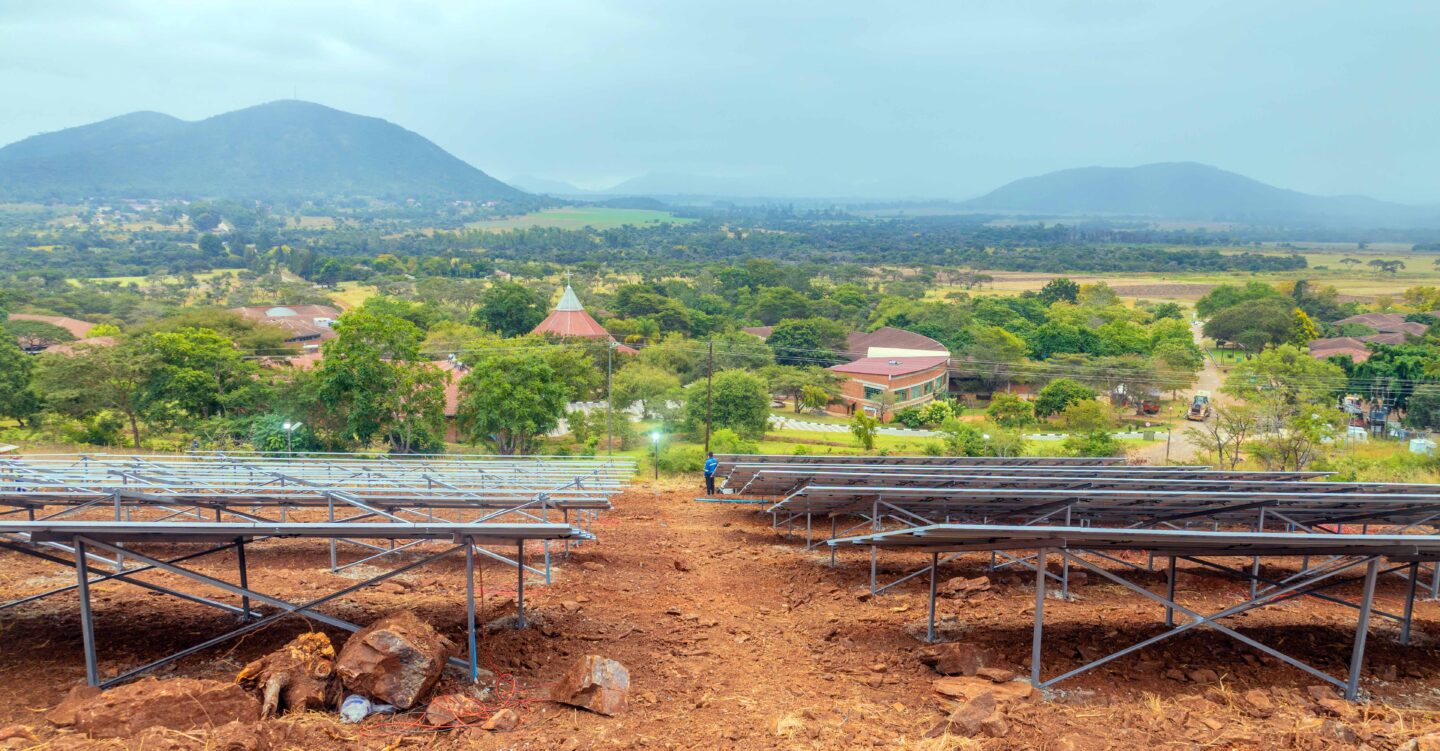
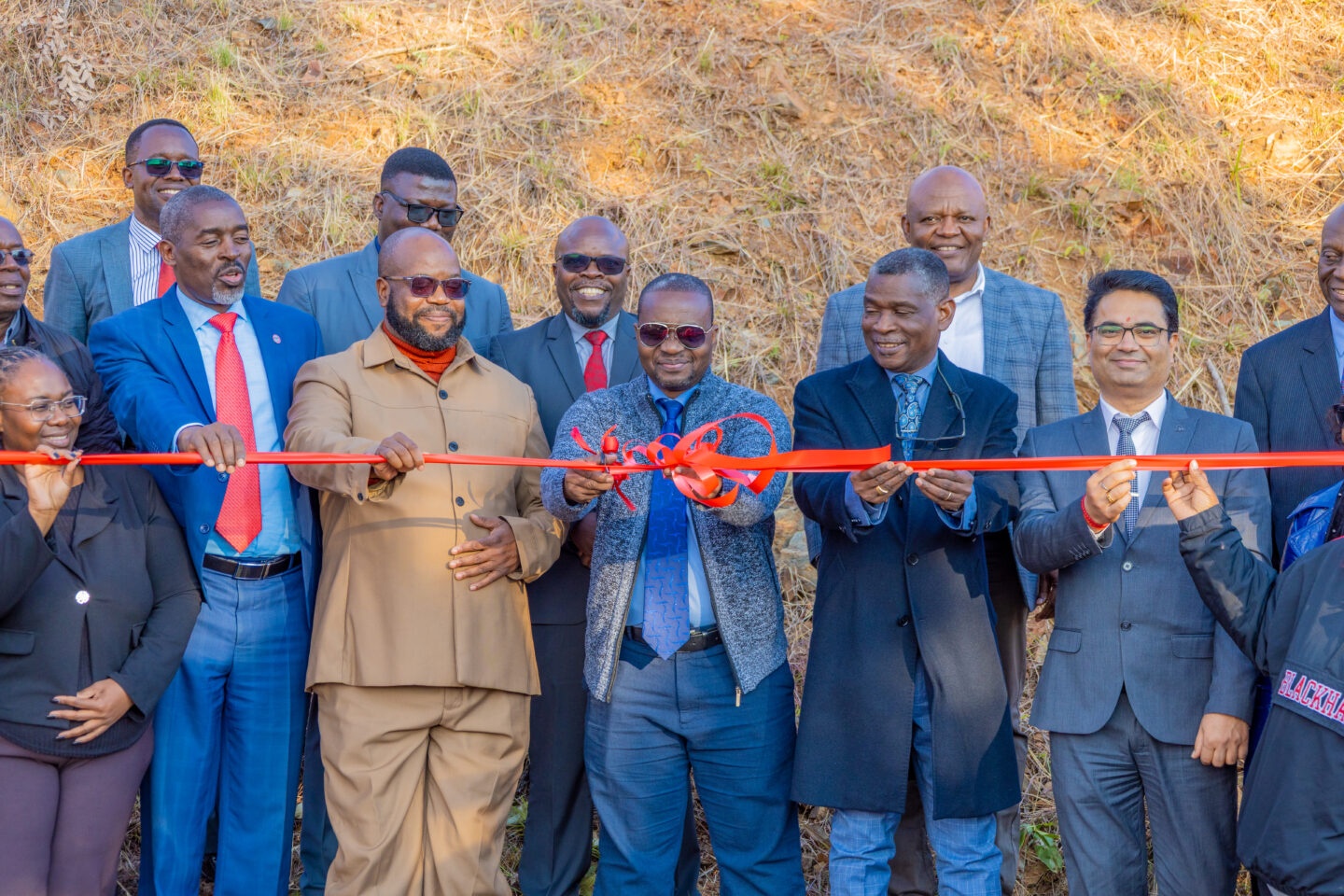
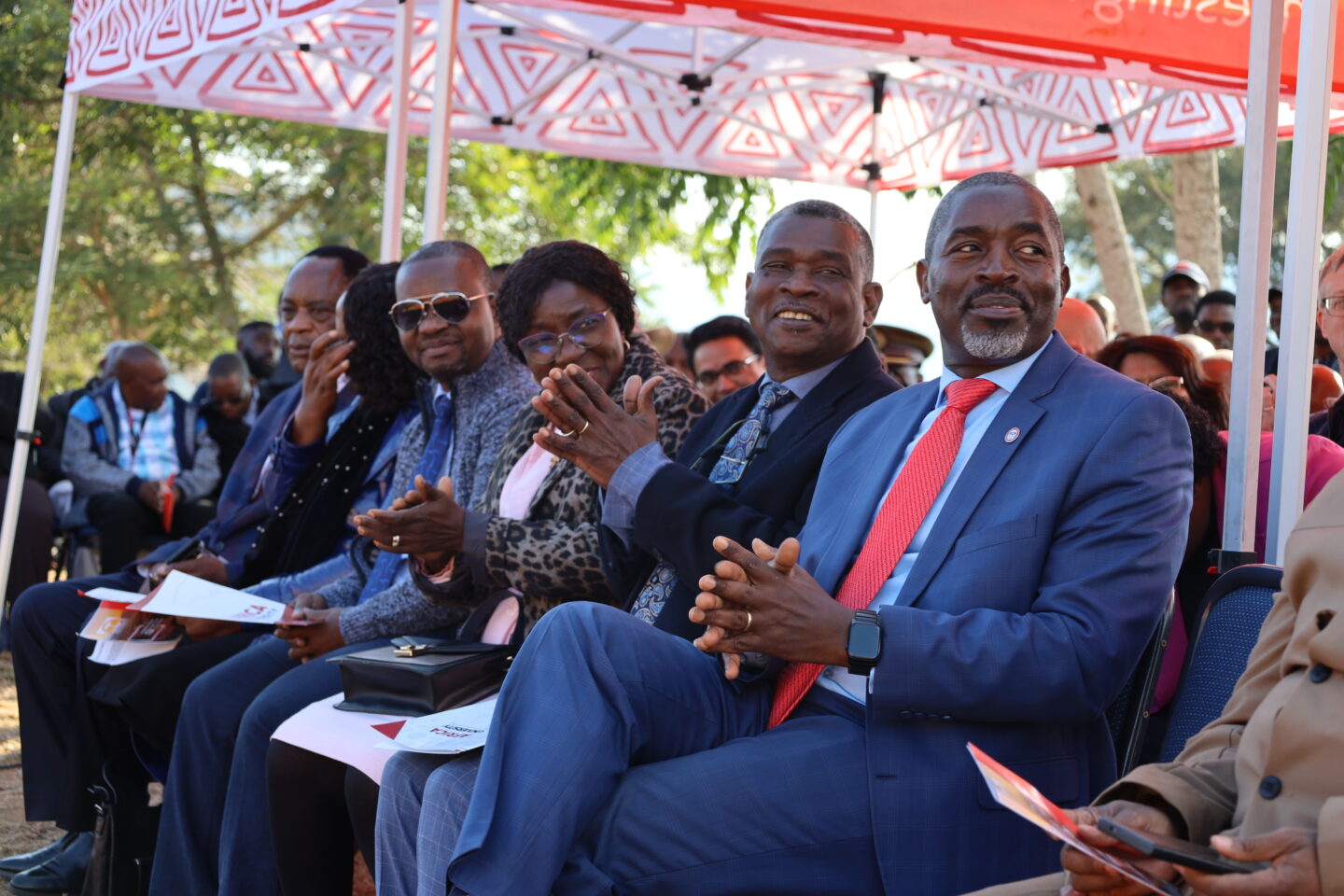
A 250-kilowatt solar power plant, which is the first phase of a larger project, was officially commissioned on June 6. It has 590 solar panels, a 250 kilovolts inverter system, and a 600-kilowatt-hour battery bank. The lithium batteries have a lifespan of 25 years. The entire project is being funded by Africa University (Tennessee) Incorporated, set up in 1992 to enable the founding of Africa University Zimbabwe and to provide the resources to grow and sustain the university long-term.
“No donor provided funding for this project, and that is the uniqueness of it. That is what I am talking about, sustainability,” says James Salley, president and chief executive officer of Africa University (Tennessee) Inc. and the associate vice chancellor for institutional advancement at Africa University Zimbabwe.
Although it is currently only 50 percent complete, the solar plant is providing uninterrupted power to AU’s main campus, including student hostels and laboratories.
“Annually, we had to spend a minimum of $216,000. That was our energy bill. Our maximum (would) be around $240,000. So, we will save around $240,000 per year,” says Professor Talon Garikayi, an engineer overseeing the solar power project and the deputy Vice Chancellor at AU.
Beyond the significant budgetary savings, Africa University’s Board of Directors saw operational, relational, and sustainability benefits in the project.
“We felt like it was critical to invest in this solar power plant to ensure the university continues to be reliable in its operations and its systems that are critical knowledge advancement on the continent,” says Board chairperson, Reverend Alfiado Zunguza.
“The university was spending $240,000 a year for electricity, making education expensive. We want to reduce the cost of education at AU, making it more affordable to as many people as possible,” he added.
Zunguza says in the long run, the funds saved can be channeled towards infrastructure development, research labs, and capacity building.
Maria Kwikiriza, a 25-year-old law student from Uganda who has asthma, sees the plant’s contribution to a clean environment as paramount.
“The campus is now quiet. The oil from the generator was affecting my breathing. We now have access to Wi-Fi all night, which is essential in our studying,” says Kwikiriza.
Zimbabwe, a country of 15.1 million people, has 62 percent electricity access and relies heavily on coal and hydropower for its energy needs.
Contextually, that makes the impact of AU’s new solar plant multilayered, says the Vice Chancellor, Reverend Peter Mageto. By reducing its demand on the national grid, his institution is releasing electricity, which will hopefully improve access for surrounding communities.
“We are glad that we are venturing into this so that the electricity supply authorities can provide electricity to the underserved communities,” Mageto says, adding that this project is part of the AU’s 2023-2027 Strategic Plan.
AU is working to generate 1.4 MW of solar power by October, enough to cover the university’s farm and its residential areas. At plant completion, any excess electricity generated will be shared with the Old Mutare United Methodist Church Mission Center, home to primary and secondary schools, a children’s home, and a 90-bed hospital.
“We will be able to save 1200 business units within Manicaland. Everyone within the region can now use that energy we would have been allocated,” says Garikayi.
The solar plant project’s wide-ranging impact is inspirational to Lumboa, who is now dreaming of replicating it in Angola.
“I was talking to my fellow countrymen about taking this technology back home. It improves students’ welfare and boosts our confidence,” he says.
Submitted by Farai Shawn Matiashe | Journalist
Mutare, Zimbabwe